Are you wondering which are the best kiritsuke knives in 2026? The answer lies in choosing a high-quality blade that matches your cooking style, skill level, and kitchen needs.
In this guide, ChopChop USA will explore what a kiritsuke knife is, why it’s a must-have, how to choose one in 2026, our top 5 picks, and care tips—including the standout ChopChop USA Kiritsuke Knife.
What is a Kiritsuke Knife?

What Is a Kiritsuke Knife and What Is It Used For? The term kiritsuke refers to a traditional Japanese kitchen knife that is both stylish and functional. Historically, it was reserved for the head chef, or itamae, in high-end Japanese kitchens, making it a symbol of mastery, skill, and precision in culinary craft.
The best kiritsuke knives feature long, flat blades, typically ranging from 240mm to 330mm, with a distinctive angled tip, often called the “K-tip” or “reverse-tanto tip.” This unique design allows for exceptionally precise slicing, making it ideal for delicate proteins like fish and for meticulous vegetable preparation.
Kiritsuke knives come in single-bevel (traditional) and double-bevel versions. Single-bevel knives provide sharper, cleaner cuts but demand greater skill and maintenance. Double-bevel knives are more user-friendly, making them suitable for most home cooks while still offering versatility and professional performance.
How We Tested the Best Kiritsuke Knife
Choosing the best kiritsuke knives requires more than just looking at design or price. We conducted thorough testing to evaluate performance, durability, and usability. Our testing process focused on several key factors:
- Blade Sharpness and Edge Retention: We assessed how effortlessly the knife sliced through fish, meat, and vegetables and how long the blade stayed sharp.
- Precision and Control: Evaluated the ease of handling for intricate cuts, push/pull slicing, and fine chopping tasks.
- Handle Comfort and Ergonomics: Tested balance, grip, and comfort during extended prep sessions to prevent fatigue or hand strain.
- Durability and Maintenance: Observed how well the knife resisted rust, corrosion, and wear, and how easy it was to clean and maintain.
- Versatility: Checked the knife’s performance across multiple kitchen tasks for both home cooks and professional chefs.
By combining these evaluations, we identified 5 best kiritsuke knives that excel in quality, precision, and everyday usability.
5 Best Kiritsuke Knives of 2026
Choosing the best kiritsuke knives can elevate your cooking experience. If you are wondering Where to Buy a Kiritsuke Knife in 2026, these five knives stand out for quality, performance, and craftsmanship:
ChopChop USA Kiritsuke Knife - Best Kiritsuke Knife in 2026

Japanese Kiritsuke Knife
Limited-Time Offer — Get Free Gifts
The ChopChop USA Kiritsuke Knife combines Japanese-inspired precision with modern kitchen practicality and ranks among the best knife brands. Its versatile high-carbon stainless steel blade effortlessly handles fish, meat, and vegetables while offering comfort, balance, and control. Designed for both home cooks and professional chefs, it delivers professional performance at an accessible price.

Key Features
- Blade: High-carbon stainless steel for exceptional sharpness, durability, and edge retention.
- Length: 240–270mm, ideal for precise control and extended reach.
- Design: Ergonomic full-tang handle with slip-resistant grip for comfort and safety.
- Versatility: Perfect for slicing, chopping, dicing, and mincing multiple ingredients.
- Beginner-Friendly: Combines traditional kiritsuke style with easy maintenance and accessibility.
Pros
- Razor-sharp, long-lasting high-carbon blade.
- Ergonomic, balanced handle reduces fatigue.
- Beginner-friendly yet professional-grade performance.
- Versatile for all kitchen prep tasks.
- Stylish modern design.
Cons
-
Only available online.
Best for
Home cooks and professional chefs seeking a reliable, versatile, and high-performance kiritsuke knife suitable for daily prep and gourmet cooking.
Dalstrong Phantom Series Kiritsuke - Best Kiritsuke Knife

The Dalstrong Phantom Series Kiritsuke is one of the best kiritsuke knives, offering a bold, statement-making design with professional slicing performance. Its long AUS‑8 high-carbon steel blade is hand-sharpened for precision and versatility.
Key Features
- AUS‑8 high-carbon steel blade, hand-sharpened for precision.
- 9.5" length for reach and control.
- Versatile design suitable for fish, meat, and vegetables.
Pros
- Bold, stylish design.
- Strong performance and precision.
- Versatile for various kitchen tasks.
Cons
- Requires regular maintenance.
- Not premium powder steel.
Best for
Cooks seeking a larger, professional-quality kiritsuke with precision and versatility.
Shun Classic Kiritsuke - Best Kiritsuke Knife

The Shun Classic Kiritsuke is one of the best kiritsuke knives, combining elegant craftsmanship with reliable cutting performance. Its VG‑MAX core and Damascus cladding provide lasting sharpness, ideal for home chefs who value traditional Japanese design.
Key Features
-
VG‑MAX core with 68-layer Damascus cladding.
-
20 cm (~8") blade for precise control.
-
Elegant craftsmanship with traditional Japanese design.
Pros
-
Excellent sharpness and edge retention.
-
Reliable cutting performance.
-
Stunning visual appeal with layered Damascus finish.
Cons
-
High price
Best for
Home cooks and culinary enthusiasts wanting a traditional, high-performance kiritsuke with classic Japanese elegance.
Enso HD Kiritsuke - Best Kiritsuke Knife

The Enso HD Kiritsuke is one of the best kiritsuke knives, delivering high-quality performance and a stylish tsuchime hammered finish. Its VG‑10 core blade balances durability and sharpness for everyday kitchen tasks.
Key Features
- VG‑10 core with 37-layer Damascus steel.
- 8" length for balanced slicing.
-
Tsuchime hammered finish reduces food sticking.
Pros
- High-quality, durable steel.
-
Attractive hammered finish.
-
Well-balanced and versatile.
Cons
-
Less widely known brand.
Best for
Home chefs seeking a balance of performance and stylish design for everyday kitchen tasks.
Miyabi Mizu SG2 Kiritsuke - Best Kiritsuke Knife

The Miyabi Mizu SG2 Kiritsuke is one of the best kiritsuke knives, offering professional-level precision with premium Japanese craftsmanship. Its SG2 powder steel blade provides exceptional edge retention and long-lasting sharpness.
Key Features
-
SG2 powder steel core with hammered Damascus finish.
-
9.5" blade for precise cutting.
-
Professional-level sharpness and durability.
Pros
-
Exceptional edge retention.
-
Premium Japanese craftsmanship.
-
Reliable and precise performance.
Cons
-
High-end pricing.
-
Requires careful handling.
Best for
Serious chefs or enthusiasts seeking top-tier precision, durability, and professional-quality performance.
Why Choosing ChopChop USA Kiritsuke Knife

Care & Use Tips for Kiritsuke Knives
Proper care extends the life of your kiritsuke and maintains sharpness:
- Cutting Technique: Use push or pull cuts; avoid heavy rocking motions
- Sharpening: Single-bevel knives require careful angle sharpening; double-bevel knives are easier
- Maintenance: Always dry immediately after washing; avoid dishwasher
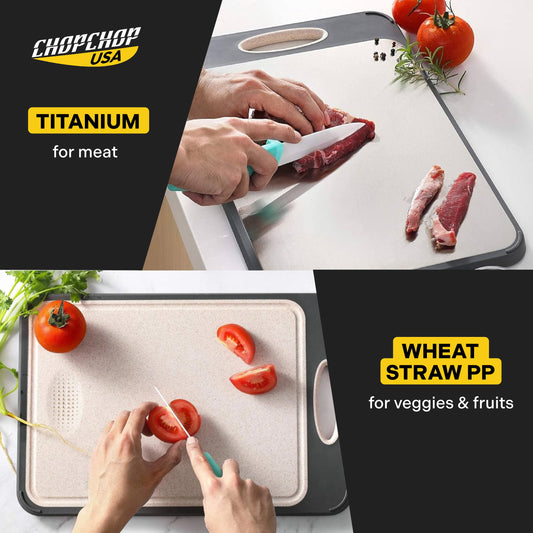
- Cutting Board: Use wood or high-quality synthetic boards to prevent dulling
- Storage: Use knife sheaths or blocks to protect the blade
- Safety: Handle the pointed tip carefully to prevent injury
See more:
- How to Use a Kiritsuke Knife – Master the Art of Precision Cutting
- Kiritsuke vs Chef Knife: Which Is Better?
- How to Store Japanese Kitchen Knives: 8 Best Ways
- How to Sharpen Japanese Knives - The Complete Guide
- 6 Mistakes That Dull Your Knives and How to Avoid it
Conclusion
For more amazing recipes, follow me on Facebook and Instagram! If you have any questions about ChopChop USA's products or promotions, please feel free to contact us at support@chopchopusa.com. Our dedicated team is available 24/7 and always happy to assist you.
Frequently Asked Questions
1. Is a kiritsuke necessary for home cooks?
Not strictly. If you have a chef’s knife and a nakiri, you can manage most tasks. Kiritsuke adds precision, versatility, and elegance.
2. Can left-handed people use a kiritsuke?
Yes, but traditional single-bevel knives require a left-handed version. Double-bevel knives are ambidextrous.
3. What blade length should I choose?
240–270mm works best for most home kitchens. Longer blades suit professional chefs or larger proteins.
4. How do I sharpen a kiritsuke knife?
Single-bevel knives need specialized sharpening at the correct angle, usually with a whetstone. Double-bevel knives are easier and more forgiving.
5. What Kiritsuke Knife Should I Get?
For beginners, choose a double-bevel, 200–240mm blade with durable steel and a comfortable handle; experienced cooks may opt for a single-bevel, premium steel model.