How to Cook With Stainless Steel Pans? Preheat properly, use enough oil, and control your temperature. In this guide, ChopChop USA will show you exactly how to cook with stainless steel pans, from your first use to cleaning and maintenance.
Whether you’re searing, sautéing, or simmering, these pro tips will help you cook confidently and get restaurant-quality results every time. Learning how to cook with stainless steel cookware properly ensures even heat, perfect sears, and long-lasting performance.
Why Choose Stainless Steel Cookware? Why Stainless Steel Pans Are Worth the Investment

Stainless steel pans are a staple in both professional and home kitchens thanks to their durability, versatility, and precise heat control. They’re designed for cooks who want consistent results and long-lasting performance. Understanding how to cook with stainless steel pans can transform your kitchen experience.
Exceptional Durability
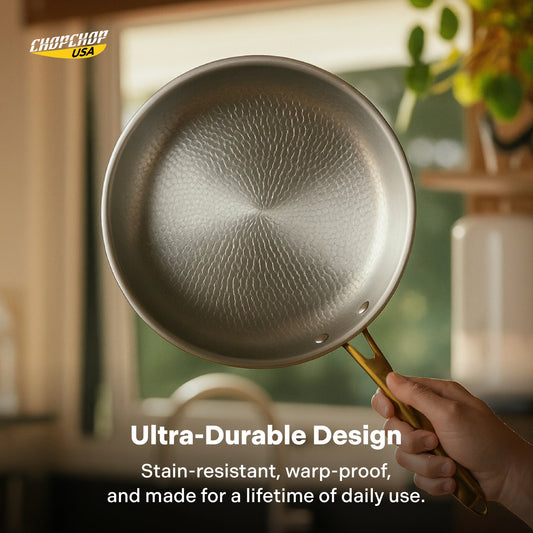
Stainless steel cookware resists rust, corrosion, and warping, making it ideal for daily use. Its sturdy construction ensures it can handle high heat and heavy use without losing shape or performance, a key aspect of learning how to cook with stainless steel pans.
Even Heat Distribution
Many stainless steel pans feature a layered core of aluminum, which promotes fast, uniform heating. This prevents hot spots and allows for perfect searing, browning, and sautéing every time, demonstrating how to cook with stainless steel cookware effectively.
Non-Reactive and Safe
A non-reactive surface ensures acidic ingredients, like tomatoes or wine, won’t alter flavor or color. Stainless steel is also safe for metal utensils, oven-friendly, and compatible with all stovetops, including induction — a big reason chefs master how to cook with stainless steel pans.
Professional Cooking Experience
From searing steaks to creating delicate sauces, stainless steel offers unmatched control and reliability. Its long-term performance and versatility make it a smart investment for any kitchen, elevating both everyday meals and special dishes, as long as you know how to cook with stainless steel pans properly.
How to Cook With Stainless Steel Pans

Do You Need to Season Stainless Steel Pans? Cooking with stainless steel takes a bit of technique, but once you understand the basics, it becomes second nature. Follow these steps to master how to cook with stainless steel pans for perfect results every time.
Using a Stainless Steel Pan for the First Time
Before using a new stainless steel pan, wash it thoroughly with warm, soapy water to remove any manufacturing residues. Rinse and dry completely. Then, preheat the pan with a small amount of oil for a few minutes — this helps “condition” the surface and improves its performance from the very first use.
This step also minimizes sticking, showing beginners how to cook with stainless steel pans efficiently.
Temper Your Food
Cold ingredients can stick when added directly to a hot pan. Let meats, fish, or poultry rest at room temperature for 10–15 minutes before cooking. This ensures even cooking and helps the food release naturally once it forms a seared crust — part of mastering how to cook with stainless steel pans.
Preheat Correctly
Preheating is essential for stainless steel pans. Place your pan on medium heat for several minutes, allowing it to reach an even temperature. Test by sprinkling a few drops of water — if they form small, dancing beads, the pan is ready.
Proper preheating prevents sticking and helps achieve that perfect golden-brown sear, a fundamental tip in how to cook with stainless steel pans.
Use Enough Oil
A thin layer of oil acts as a temporary nonstick barrier. Heat the oil until it shimmers, then add your ingredients. This promotes even browning, prevents sticking, and enhances flavor. For high-heat searing of meats or vegetables, this step is crucial in how to cook with stainless steel pans.
See more: 7 Best and 3 Worst Oils for Stainless Steel Cooking
Be Careful with Delicate Ingredients
Delicate foods like eggs, fish, or crepes require extra attention. Use medium to medium-low heat and allow the food to release naturally before attempting to flip or stir. For dishes that are particularly tricky, consider using a hybrid or nonstick pan for convenience while learning how to cook with stainless steel pans.
Fully Clean Your Pans
After cooking, allow the pan to cool slightly before washing. Use warm water, mild detergent, and a soft sponge. For stubborn residue, deglaze the pan while it’s still warm with hot water, vinegar, or broth to loosen stuck-on bits.
Regular cleaning maintains the pan’s appearance, prevents discoloration, and ensures long-lasting performance — a key aspect of mastering how to cook with stainless steel cookware.
Read more: How to Clean Stainless Steel Pans So They Last For Years
Mistakes to Avoid When Cooking With Stainless Steel

Even the best stainless steel pans can be tricky if not used correctly. Understanding common mistakes helps you get the most out of your cookware while protecting its lifespan and performance. Here’s what to watch out for when learning how to cook with stainless steel pans:
Impatience
One of the biggest causes of sticking is moving food too soon. Proteins like steak, chicken, or fish need time to form a natural sear. If you try to flip or stir too early, they will stick to the pan. Patience is key — let the food release naturally once a golden crust has formed.
Not Washing by Hand
While some stainless steel pans are dishwasher-safe, repeated dishwasher use can dull the pan’s shine and cause discoloration. Handwashing with warm water, mild detergent, and a soft sponge helps maintain its polished appearance and ensures long-lasting performance.
Adding Salt to Cold Water
Adding salt to cold water when boiling pasta, rice, or vegetables can cause small pits or marks on the pan’s surface over time. To prevent this, always add salt after the water has reached a rolling boil. This keeps the pan looking pristine and prevents unnecessary surface damage.
Overheating
High heat isn’t always better. Excessive heat can discolor the pan, create smoke, and even warp the metal. Use moderate heat for most cooking tasks, and reserve high heat for quick searing or reducing sauces. Stainless steel retains heat well, so moderate temperatures often yield the best results.
Not Allowing Pans to Fully Cool
Never immerse a hot pan directly into cold water, as the sudden temperature change can warp or damage it. Allow the pan to cool gradually before washing. This not only protects the structure of the pan but also prevents food residue from sticking or baking on during the cooling process.
Mastering Cooking Techniques
Cooking with stainless steel pans offers versatility and precision, but mastering the right techniques ensures consistent, professional-level results in every dish.
Searing, Sautéing, and Frying
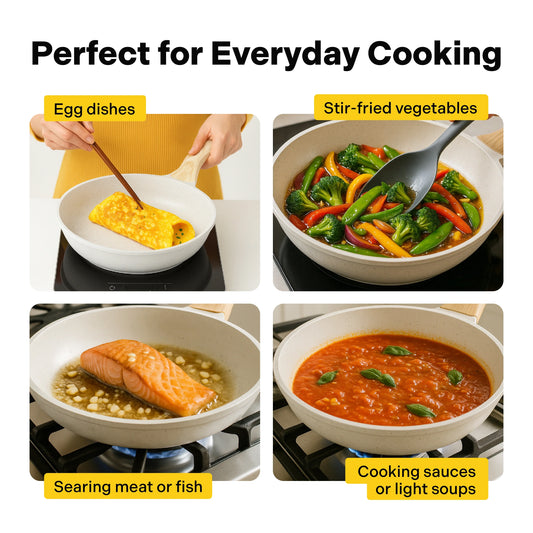
Stainless steel excels at high-heat cooking like searing, sautéing, and frying. For meats such as steak, chicken, or pork chops, the pan creates a golden-brown crust while locking in juices. Preheat the pan, add oil, and allow the protein to release naturally when ready.
Vegetables benefit too — onions, mushrooms, and peppers caramelize beautifully with even heat distribution. Avoid overcrowding to prevent steaming. Delicate foods like eggs or fish require medium heat and patience. Deglazing after cooking lifts flavorful fond for sauces, adding richness and depth. This is also considered as one of the best tips on how to cook with stainless steel pans correctly.
Heat Control on the Stove
Understanding heat is key with stainless steel. Preheat on medium for even temperature, then adjust as needed. High heat works for searing and browning; medium to low is better for delicate foods.
Test readiness by sprinkling a few drops of water — dancing beads indicate perfect heat. Proper heat control prevents sticking, ensures even cooking, and maximizes flavor development. Understanding heat control is crucial for how to cook with stainless steel pans successfully.
Oven Cooking with Stainless Steel
Many stainless steel pans are oven-safe, perfect for dishes that start on the stove and finish in the oven. Pan-roasted meats, frittatas, and baked vegetables benefit from this versatility.
Ensure handles are oven-safe and avoid sudden temperature changes to prevent warping. Stainless steel retains heat evenly, maintaining consistent cooking and preserving flavors, even in acidic dishes.
Maintaining and Caring for Your Pans
Proper care extends the life of your cookware. Handwash with warm water and mild detergent, using soft sponges to prevent scratches. Deglaze pans with hot water or vinegar to remove stuck-on food.
Polish occasionally with baking soda or stainless steel cleaner to restore shine. Dry thoroughly and store carefully to avoid scratches. With these simple steps, your stainless steel pans remain durable, efficient, and ready for professional-level cooking. Proper care ensures long-lasting performance, which is key to mastering how to cook with stainless steel cookware.
Essential Tools to Take Your Kitchen Beyond
Cooking is easier and more enjoyable with the right equipment. ChopChop USA creates premium cookware that blends craftsmanship, performance, and modern design. Each pan is engineered for precision, durability, and effortless control.
ChopChop USA Stainless Steel Frying Pan

ChopChop USA Premium Stainless Steel Frying Pan
Limited-Time Offer — Get Free Gifts
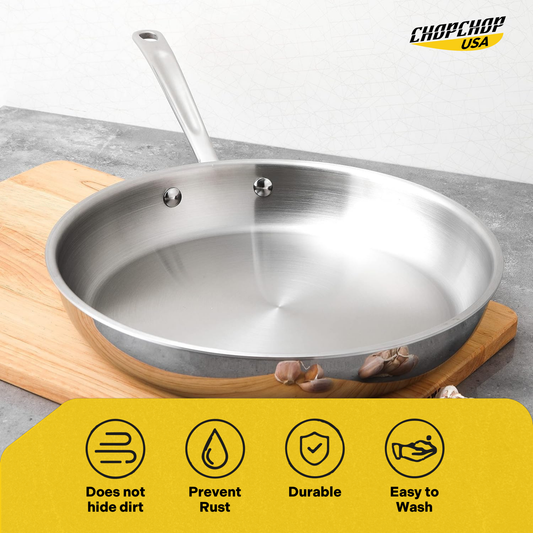
This high-performance ChopChop USA Stainless Steel Frying Pan is crafted from premium stainless steel with a triple-layer base for even heating. It’s perfect for searing, sautéing, and deglazing, delivering consistent results across all cooking styles. This pan is rated as one of the best stainless steel frying pans in the market.

Features & Benefits:
- 3-ply construction with aluminum core for fast, even heating
- Oven and induction compatible
- Ergonomic, stay-cool handle for control
- Non-reactive cooking surface preserves pure flavors
Available Sizes:
- 8.66" (22 cm) — 725g
- 9.45" (24 cm) — 825g
- 10.24" (26 cm) — 980g
- 11.02" (28 cm) — 1,120g
- 11.81" (30 cm) — 1,290g
ChopChop USA Hybrid Nonstick Frying Pan

ChopChop USA Hybrid Nonstick Frying Pan
Limited-Time Offer — Get Free Gifts
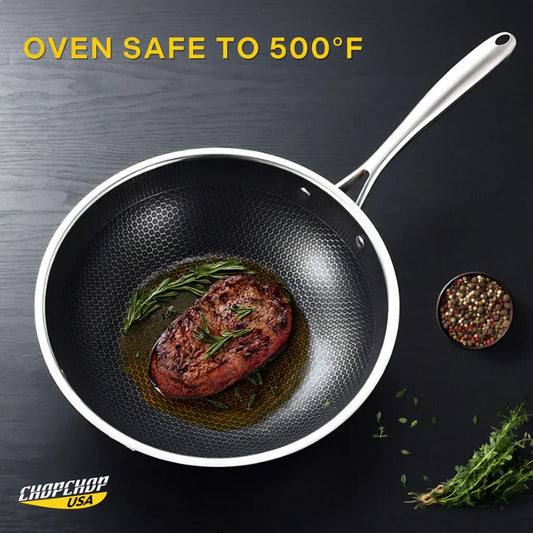
This innovative ChopChop USA Hybrid Nonstick Frying Pan combines stainless steel strength with nonstick convenience. Featuring micro-carving technology, it provides perfect searing power while ensuring effortless food release. This pan is also rated as one of the Best Non Stick Frying Pans in the market.

Features & Benefits:
- Stainless steel body with laser-etched nonstick grid
- Scratch-resistant and metal utensil safe
- Fast, even heat distribution
- Oven and dishwasher safe
Available Sizes:
- 12.6" (32 cm) – 3.09 lbs (1400 g)
- 13.4" (34 cm) – 3.53 lbs (1600 g)
Conclusion
Mastering how to cook with stainless steel pans transforms your kitchen experience. With proper technique and care, these pans reward you with flawless browning, balanced heat, and unmatched durability. Whether you’re upgrading your kitchen or perfecting your cooking craft, ChopChop USA stainless steel cookware delivers professional-grade performance designed to last a lifetime.
For more amazing recipes, follow me on Facebook and Instagram! If you have any questions about ChopChop USA's products or promotions, please feel free to contact us at support@chopchopusa.com. Our dedicated team is available 24/7 and always happy to assist you.
Frequently Asked Questions
1. Can you use olive oil on stainless steel?
Yes, olive oil works great — just make sure the pan is preheated before adding it to prevent sticking.
2. Can you use butter on stainless steel?
Absolutely. Butter adds rich flavor but should be used over medium heat to avoid burning.
Read more: Do you need oil to cook on a stainless steel pan?
3. Why do chefs use stainless steel cookware?
Chefs love it for its durability, precise temperature control, and ability to build flavorful fond for sauces.
Read more: Why Do Chefs Prefer Stainless Steel Frying Pans?
4. Is it hard to cook with stainless steel?
Not at all — once you learn to preheat and oil correctly, it’s easy and rewarding to use.
5. How do you fry eggs in a stainless steel pan without sticking?
Preheat the pan, add oil or butter, and let the eggs cook undisturbed until they naturally release.
See more: How to Cook Eggs on Stainless Steel
6. Why does everything stick to my stainless steel pans?
Usually due to improper preheating or using too little oil. Patience and correct temperature are key.
7. How do you keep food from sticking to stainless steel pans?
Preheat, use the right amount of oil, and let the food release naturally before turning or flipping.