What Is a Titanium Pan?

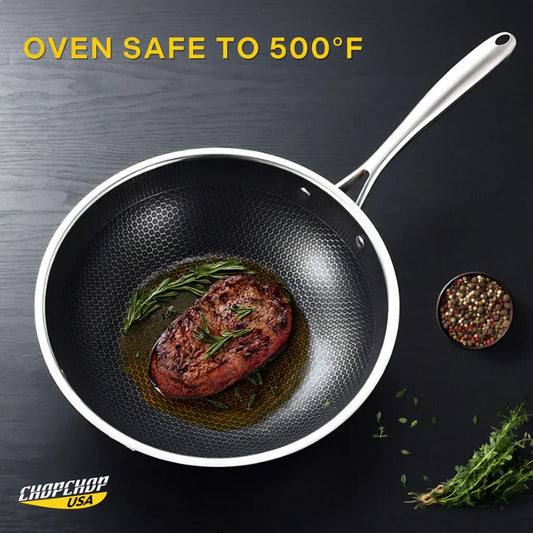
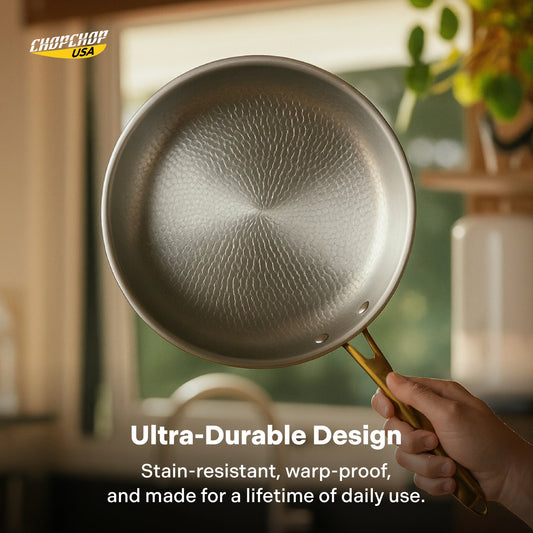
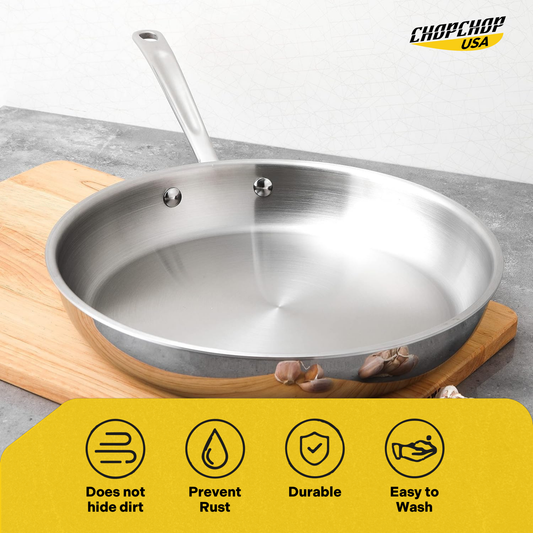
A titanium pan is cookware made from pure titanium or titanium-based materials, valued for durability, corrosion resistance, and food safety. Free from chemical coatings, it offers a healthier, longer-lasting alternative to traditional non-stick pans.
Titanium is naturally non-reactive, preserving food flavor and preventing metal transfer, even with acidic ingredients. Many modern designs use multi-layer construction with aluminum or stainless steel to improve heat distribution, reduce hot spots, and ensure consistent, lightweight, and reliable cooking performance.
Why Season Titanium Pans?

Titanium pans are lightweight, corrosion-resistant, and extremely durable, making them popular in professional, outdoor, and minimalist kitchens. Because titanium heats differently than other metals, learning how to season titanium pans improves cooking performance and helps achieve the results most cooks expect.
Improves Cooking Consistency and Reduces Sticking
Titanium does not conduct heat as evenly as aluminum or copper on its own. Without seasoning, this can lead to uneven cooking and food sticking to the surface. Proper seasoning smooths microscopic imperfections, improving consistency and food release.
Creates a Natural Non-Stick Barrier
Seasoning works by filling microscopic pores in the titanium surface with polymerized oil. This creates a thin, natural barrier between food and metal. When done correctly, how to season titanium pans results in a surface that rivals traditional non-stick cookware—without chemical coatings.
Enhances Heat Distribution Over Time
With repeated seasoning and use, a titanium pan develops a more stable cooking surface. This helps reduce hot spots and supports more even browning, especially for proteins, vegetables, and eggs.
Supports a Coating-Free, Food-Safe Approach
Seasoning aligns with a non-chemical philosophy. Instead of relying on synthetic coatings that degrade and peel, proper seasoning provides a food-safe, long-term solution that improves with age rather than wearing out.
For cooks who value durability, performance, and safety, mastering how to season titanium pans is an essential skill that unlocks the full potential of titanium cookware.
How to Season Titanium Pans: Step-by-Step Guide

Before starting, ensure your pan is clean, dry, and free from residue. The steps below outline a proven method used by experienced cooks and professionals alike. While titanium seasoning is simpler than cast iron, patience is key when learning how to season titanium pans correctly.
Step 1. Clean and Dry Completely
Wash your titanium pan with warm water and a mild detergent to remove manufacturing oils, dust, or residue. Rinse thoroughly and dry completely using a soft cloth or paper towel.
Any moisture left on the surface can interfere with seasoning. Water trapped in microscopic pores prevents oil from bonding properly, which is a common mistake when learning how to season titanium pans for the first time.
Step 2. Apply a High-Smoke-Point Oil
Choose an oil with a high smoke point such as avocado oil, canola oil, grapeseed oil, or corn oil. Avoid low smoke-point oils like walnut or flaxseed oil, which burn easily and create sticky buildup.
Apply a very thin, even layer of oil to the interior surface using a cloth or paper towel. Less is more—excess oil pools and reduces effectiveness. A thin coat is essential when practicing how to season titanium pans successfully.
Step 3. Heat Gently and Gradually
Place the oiled pan over medium heat or into a preheated oven. Gradual heating allows the oil to polymerize evenly across the surface, forming a durable seasoning layer.
Avoid high heat at this stage. Rushing the process scorches oil instead of bonding it, which undermines the goal of how to season titanium pans properly.
Step 4. Cool and Repeat
Once the pan reaches light smoking, remove it from heat and allow it to cool completely. Repeat the oiling and heating process two to three times.
Repetition strengthens the seasoning layer and significantly improves non-stick performance. Consistency is the secret behind mastering how to season titanium pans for long-term use.
Step 5. Final Cleanup and Seal
After the final heating cycle, let the pan cool and rinse it with plain water only—no soap. Dry thoroughly and apply a very light coat of oil before storing.
This final step seals the seasoning and prepares the pan for cooking. When done correctly, how to season titanium pans becomes a simple routine rather than a time-consuming task.
Common Mistakes to Avoid When Seasoning Titanium Pans

Even though titanium is forgiving, certain mistakes can reduce the effectiveness of seasoning. Avoiding these errors ensures your efforts in how to season titanium pans deliver lasting results.
Skipping Proper Cleaning and Drying
Failing to remove residue or moisture prevents oil from bonding correctly to the titanium surface. This causes uneven seasoning, weak oil polymerization, increased food sticking, and reduced non-stick performance that shortens the effectiveness and lifespan of the pan.
Using Low Smoke-Point Oils
Low smoke-point oils burn quickly during seasoning, creating sticky buildup instead of a smooth protective layer. This interferes with proper seasoning, leading to uneven surfaces and disappointing non-stick results.
Overheating Too Quickly
Applying excessive heat too rapidly burns oil instead of allowing it to polymerize and bond. This weakens the seasoning layer, causes discoloration, uneven cooking performance, and increases the chance of sticking during everyday use.
Worrying About Blue or Rainbow Colors
Blue or rainbow discoloration during heating is normal for titanium cookware. This harmless oxidation does not affect food safety, durability, or seasoning performance and does not indicate damage to the pan.
Maintenance Tips for Seasoned Titanium Pans

Proper maintenance preserves the results of how to season titanium pans and ensures consistent cooking performance over time. Follow these simple care practices:
- Store in a dry place: Moisture can weaken the seasoned oil layer, so always store your titanium pan completely dry.
- Use moderate cooking heat: Medium to medium-high heat is ideal, as titanium retains heat efficiently and excessive temperatures may wear seasoning faster.
- Hand wash gently: Clean with mild detergent and a soft sponge, avoiding abrasive scrubbers or metal utensils that can damage seasoning.
- Re-season periodically: If food begins sticking, repeat the seasoning process to restore non-stick performance without starting from scratch.
ChopChop USA – Upgrade Your Kitchen With the Titanium Pan Pro

ChopChop USA Pure Titanium Pan Pro
Limited-Time Offer — Get Free Gifts
Designed for cooks who value performance, safety, and longevity, the ChopChop USA Titanium Pan Pro offers a safer solution for everyday cooking. Its advanced tri-ply design—featuring a pure titanium interior, aluminum core, and stainless steel exterior—delivers natural safety, lasting durability, and even heat distribution without harmful coatings.
Built for daily use, it keeps meals consistent, safe, and worry-free while supporting those committed to learning how to season titanium pans properly.

Food-Safe Interior
A pure titanium cooking surface is non-toxic, non-reactive, and corrosion-resistant, keeping meals clean, safe, and free from chemical exposure.
Even Heat Distribution
The tri-ply construction improves heat flow compared to single-layer titanium, reducing hot spots and promoting consistent cooking results.
Scratch-Resistant Surface
Titanium’s natural hardness resists scratches and dents, helping protect the seasoning layer developed through proper care and use.
Easy to Clean
The smooth interior allows quick, effortless cleanup, especially once the pan is properly seasoned.
Built to Last
Premium materials and reinforced construction ensure reliable daily performance for years of regular cooking.
Lightweight Yet Durable
Strong enough for high-performance cooking while remaining easy to lift, control, and maneuver in any kitchen.
ChopChop USA – Cook More With the Titanium Deep Pan Pro

ChopChop USA Pure Titanium Deep Pan Pro
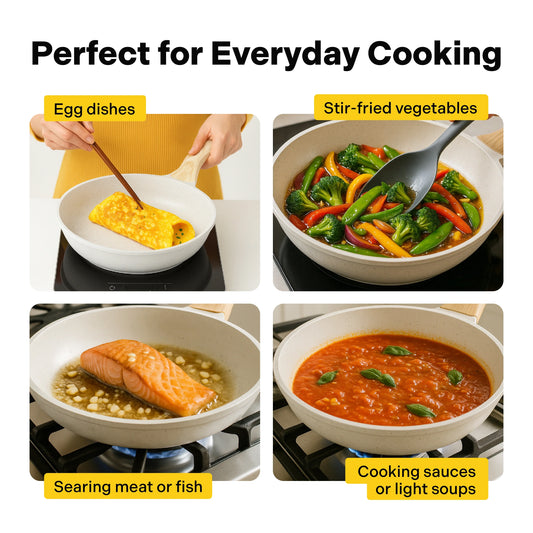
Limited-Time Offer — Get Free GiftsDesigned for larger meals and greater versatility, the ChopChop USA Titanium Deep Pan Pro combines a pure titanium cooking surface, aluminum core, and stainless steel exterior for reliable everyday performance. Its deep design provides extra capacity for stir-fries, sauces, braises, and one-pan meals while delivering fast, even heating without chemical coatings.
Deep, Versatile Design
Higher sidewalls provide extra cooking capacity, making it ideal for family meals, pasta dishes, curries, and stir-fries.
Food-Safe Interior
The pure titanium cooking surface is non-reactive, corrosion-resistant, and designed for clean everyday cooking.
Fast & Even Heating
An aluminum core distributes heat evenly across the pan, helping reduce hot spots.
Easy Cleanup
The smooth titanium surface helps minimize food residue for easier cleaning.
Built to Last
Advanced tri-ply construction resists warping, stains, and everyday wear.
Lightweight & Durable
Strong enough for daily use while remaining comfortable to handle.
ChopChop USA – Master Everyday Cooking With the Titanium Saucepan Pro

ChopChop USA Pure Titanium Saucepan Pro
Limited-Time Offer — Get Free GiftsThe ChopChop USA Titanium Saucepan Pro is designed for everyday kitchen tasks, from preparing sauces and soups to reheating leftovers and cooking grains. Its tri-ply construction combines pure titanium, aluminum, and stainless steel to deliver durability, even heating, and dependable performance without traditional non-stick coatings.
Food-Safe Interior
A pure titanium cooking surface helps preserve flavors without reacting with acidic ingredients.
Even Heat Distribution
The aluminum core promotes fast, consistent heating for better cooking control.
Lightweight & Easy to Handle
Titanium provides excellent strength while remaining comfortable to lift and pour.
Easy to Clean
The smooth interior helps reduce food buildup after cooking.
Durable Construction
Built with premium materials to resist corrosion, stains, and daily wear.
Everyday Versatility
Perfect for sauces, soups, oatmeal, grains, and countless everyday recipes.
ChopChop USA – Prepare Family Meals With the Titanium Stock Pot Pro

ChopChop USA Pure Titanium Stock Pot Pro
Limited-Time Offer — Get Free GiftsBuilt for soups, stocks, stews, pasta, and large-batch cooking, the ChopChop USA Titanium Stock Pot Pro combines a pure titanium cooking surface with an aluminum core and stainless steel exterior. The result is a durable, food-safe stock pot designed for consistent performance across all cooktops.
Food-Safe Interior
Pure titanium is non-reactive and helps preserve the natural flavor of ingredients.
Fast & Even Heating
The aluminum core spreads heat efficiently for more consistent cooking results.
Large-Capacity Performance
Ideal for family meals, meal prep, soups, stews, and homemade stocks.
Easy Cleanup
The smooth titanium interior helps reduce residue and simplify cleaning.
Built for Long-Term Use
Tri-ply construction resists warping, corrosion, and everyday wear.
Compatible With All Cooktops
Works on induction, gas, electric, ceramic, and halogen cooktops.
Conclusion
Mastering how to season titanium pans improves cooking performance, enhances non-stick behavior, and significantly extends cookware lifespan. With ChopChop USA, proper seasoning transforms cookware into a kitchen essential.
For more amazing recipes, follow me on Facebook and Instagram! If you have any questions about ChopChop USA's products or promotions, please feel free to contact us at support@chopchopusa.com. Our dedicated team is available 24/7 and always happy to assist you.
Frequently Asked Questions
1. How to season titanium pans?
Clean the pan thoroughly, dry completely, apply a thin layer of high-smoke-point oil, heat gently until lightly smoking, cool fully, repeat several times, then finish with light oiling.
2. How do I take care of a titanium pan?
Store the pan dry, cook on moderate heat, avoid abrasive utensils, hand wash gently with mild detergent, dry immediately, and re-season occasionally to maintain non-stick performance and durability.
3. How do I clean a titanium pan?
Wash using mild detergent and a soft sponge, rinse thoroughly, dry completely to prevent moisture buildup, and apply a light coat of oil before storage to protect seasoning and surface integrity.
4. Can I cook acidic foods in a titanium pan?
Yes, titanium is non-reactive and food-safe, allowing you to cook acidic ingredients like tomatoes, vinegar, citrus, and wine-based sauces without flavor transfer or surface damage.
5. How do I cook with the Titanium Pan Pro?
Preheat gradually over medium heat, add oil before ingredients, avoid overcrowding, and allow food to release naturally while cooking to achieve even browning and preserve the seasoned surface.