Are you wondering about the pros and cons of carbon steel cookware before adding it to your kitchen? The short answer is yes—carbon steel offers excellent heat control, durability, and natural non-stick performance.
In this guide, ChopChop USA will explain the pros and cons of carbon steel cookware, how it compares to other materials, who should use it, and how to maintain it easily.
What Is Carbon Steel Cookware?

Carbon steel cookware is made from iron combined with a small amount of carbon, creating a cooking surface that is both strong and highly responsive to heat. This material has been widely used in professional kitchens because it balances durability, versatility, and efficient heat performance.
Unlike cookware with synthetic non-stick coatings, carbon steel pans rely on seasoning to develop their cooking surface. Seasoning forms when oil bonds to the metal during heating, gradually building a protective layer that improves cooking performance and helps prevent rust.
Over time, this seasoning layer becomes darker and smoother, creating a naturally non-stick surface that improves with regular use. Many cooks appreciate this evolving patina because it enhances food release while maintaining the pan’s natural metal construction.
Understanding the pros and cons of carbon steel cookware begins with recognizing this balance between strength and responsiveness. The material offers the durability of cast iron but with lighter weight and faster heating, making it appealing to both professional chefs and home cooks.
What Is Carbon Steel Cookware Good For?

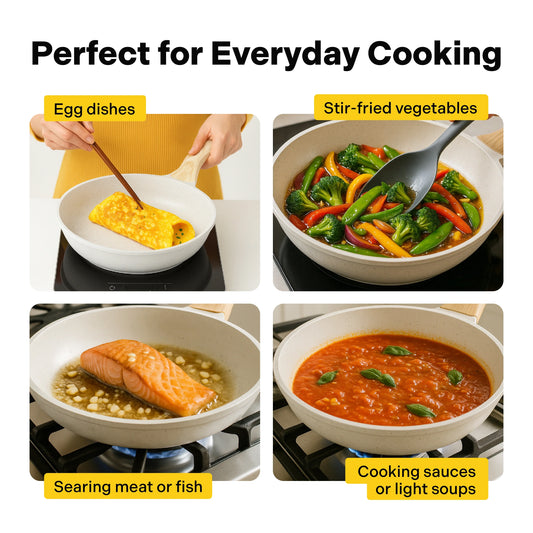
Carbon steel cookware is highly versatile and supports many cooking techniques, especially those requiring high heat. Its quick heating and responsiveness make it ideal for searing, sautéing, stir-frying, and other methods where temperature control directly affects cooking results.
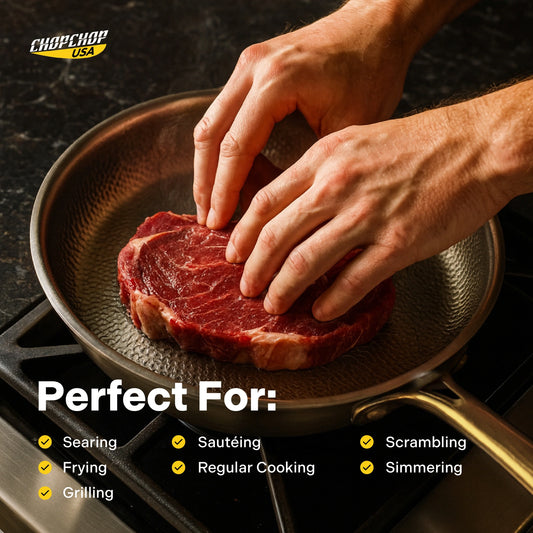
One of the most popular uses is searing meats. Carbon steel pans heat quickly and create the intense surface heat needed to develop a flavorful crust on steaks, chicken, or fish while locking in juices.
These pans also excel at stir-frying and sautéing. The rapid heat response allows cooks to adjust temperatures instantly while moving ingredients quickly, which is essential for evenly cooking vegetables, noodles, and proteins.
When exploring the pros and cons of carbon steel cookware, many cooks discover its flexibility across cooking environments. Carbon steel pans work on stovetops, ovens, and grills, making them reliable tools for everyday meals and high-heat recipes.
Pros Of Carbon Steel Cookware

Understanding the pros and cons of carbon steel cookware helps cooks decide whether this material fits their cooking style. While carbon steel has many strengths, it also requires some care and attention.
Excellent Heat Control
Carbon steel responds quickly to temperature changes. This allows cooks to adjust heat instantly, making it ideal for techniques like sautéing, searing, and stir-frying.
Lightweight And Durable
Compared with cast iron, carbon steel pans are significantly lighter. Despite their lighter weight, they remain extremely durable and can last for decades with proper care.
Natural Non-Stick Surface
With regular cooking and seasoning, the pan develops a natural non-stick surface. This patina improves over time and reduces the need for synthetic coatings.
Versatile Cooking Performance
Carbon steel pans work on nearly all cooking surfaces, including gas, electric, induction, ovens, and even grills. Their flexibility makes them suitable for many cooking styles.
No Toxic Coatings
One reason many people explore the pros and cons of carbon steel cookware is the absence of chemical coatings. Carbon steel contains no PFAS or synthetic non-stick materials.
Cons Of Carbon Steel Pans

While the benefits are significant, the pros and cons of carbon steel cookware also include a few simple care considerations that most cooks quickly adapt to.
- Requires Seasoning: A thin layer of oil helps maintain the protective surface and natural non-stick performance.
- Sensitive To Acidic Foods: Long cooking with highly acidic ingredients may affect the seasoning layer.
- Needs Proper Drying: Drying the pan after washing helps prevent moisture and rust.
- Avoid Sudden Temperature Changes: Gradual heating helps maintain the pan’s shape and performance.
Carbon Steel Vs Other Cookware Materials

Comparing cookware materials helps clarify the pros and cons of carbon steel cookware and how it fits into the modern kitchen. Carbon steel, cast iron, and stainless steel are all durable, professional-grade options with different strengths.
|
Feature |
Carbon Steel |
Cast Iron |
Stainless Steel |
|
Weight |
Lightweight and easy to handle |
Very heavy and sturdy |
Moderate and balanced |
|
Heat Response |
Heats quickly and adjusts fast |
Slower heating, excellent retention |
Even, steady heating |
|
Cooking Surface |
Develops natural non-stick seasoning |
Non-stick when well seasoned |
Needs oil but resists sticking |
|
Durability |
Very durable and long-lasting |
Nearly indestructible |
Rust and corrosion resistant |
|
Best For |
Searing, stir-frying, sautéing |
Slow cooking, frying, baking |
Sauces, boiling, everyday cooking |
|
Maintenance |
Seasoning and drying needed |
Seasoning and careful drying |
Easy maintenance |
Understanding the pros and cons of carbon steel cookware alongside these materials helps cooks choose the best option for different recipes and cooking styles.
Who Should Use Carbon Steel Cookware?

Carbon steel cookware is ideal for cooks who want professional-level performance without relying on chemical coatings.
It is especially useful for people who enjoy cooking with high heat. Techniques like searing, sautéing, and stir-frying benefit from the fast temperature response of carbon steel.
Home cooks who prefer durable tools also appreciate carbon steel. With proper care, these pans can last for many years and even improve with time.
Those researching the pros and cons of carbon steel cookware often discover that the material appeals to both professional chefs and passionate home cooks.
Carbon steel is also a good choice for people looking for a lightweight alternative to cast iron while still maintaining strong cooking performance.
However, cooks who prefer completely maintenance-free cookware may find the seasoning process inconvenient.
How To Maintain Carbon Steel Cookware?

Proper care helps carbon steel cookware perform better and last longer. Fortunately, maintenance is simple. With basic seasoning, gentle cleaning, and proper drying, the pan develops a stronger surface over time.
- Season The Pan Regularly: Heat a thin layer of oil on the surface so it bonds with the metal, forming a protective seasoning layer.
- Clean Gently After Cooking: Wash with warm water and a soft brush instead of harsh detergents that may damage the seasoning.
- Dry Completely: Always dry the pan thoroughly to prevent moisture from causing rust.
- Apply A Light Oil Layer: After drying, rub a small amount of oil on the surface to maintain the protective coating.
- Avoid Prolonged Acidic Cooking: Ingredients like tomatoes or vinegar may weaken the seasoning if cooked for long periods.
Is Carbon Steel Cookware Worth It?

For many cooks, the answer is yes. The pros and cons of carbon steel cookware show a material that delivers professional-level performance while maintaining durability that can last for many years with proper care and regular use.
Carbon steel pans heat quickly and respond immediately to temperature changes, allowing precise cooking control. With repeated use, they also develop a natural non-stick surface that improves food release and enhances everyday cooking performance.
Although they require occasional seasoning and proper drying, the maintenance routine is simple. Many cooks find that when considering the pros and cons of carbon steel cookware, its versatility, durability, and chemical-free cooking surface make it a worthwhile investment.
Why Choose The ChopChop USA Carbon Steel Pan?

ChopChop USA Carbon Steel Pan
Limited-Time Offer — Get Free Gifts
The ChopChop USA Carbon Steel Pan is built for cooks who want professional performance with everyday convenience. Crafted from premium carbon steel, it delivers fast heat response, even distribution, and a naturally non-stick surface that improves with regular use.
Lightweight yet highly durable, this pan combines the strength of cast iron with the responsiveness of stainless steel. It heats quickly, adjusts to temperature changes instantly, and performs exceptionally well for searing, sautéing, and high-heat cooking.
Key Features
- Pro-grade carbon steel construction for precise heat control
- Naturally non-stick surface developed through seasoning
- Fast, even heating for consistent cooking results
- Lightweight design with excellent durability
- Compatible with gas, induction, electric, and oven use
Benefits
- Achieves perfect sears and flavorful browning
- Supports chemical-free cooking without coatings
- Easy to maintain with simple cleaning and oiling
- Long-lasting cookware that improves with time
Conclusion
Understanding the pros and cons of carbon steel cookware helps cooks choose durable, high-performance pans. With proper care, ChopChop USA Carbon Steel Pan delivers reliable cooking results for years.
For more amazing cooking content, follow us on Facebook and Instagram! If you have any questions about ChopChop USA products or promotions, contact us anytime at support@chopchopusa.com. Our 24/7 team is always happy to help.
Frequently Asked Questions
1. What Are The Benefits Of Carbon Steel?
The main benefits include fast heating, excellent temperature control, natural non-stick seasoning, durability, and chemical-free cooking surfaces.
2. What Is A Pre-Seasoned Carbon Steel Skillet?
A pre-seasoned skillet has an oil-baked protective layer applied during manufacturing, allowing cooks to start using the pan immediately while continuing to build seasoning over time.
3. Is Carbon Steel Safe For Cookware?
Yes, carbon steel is considered safe for cooking. It contains no synthetic coatings and is widely used in professional kitchens around the world.
4. Is Carbon Steel Non-Stick?
Carbon steel becomes naturally non-stick when properly seasoned. Over time, the patina improves food release and creates a smooth cooking surface.
5. What Can You Cook In Carbon Steel?
Carbon steel pans are extremely versatile and can cook eggs, meats, vegetables, stir-fries, and many other dishes, especially recipes that require high heat or quick temperature control.