Is the titanium scam real when shopping for titanium cookware? In many cases, yes. Some products use misleading labels that suggest pure titanium construction when the cookware actually contains little or none.
In this guide, ChopChop USA will explain how the titanium scam happens, how to recognize misleading cookware claims, and how to identify genuine titanium cookware built for performance and safety.
What Is Titanium Cookware?

Titanium cookware refers to pots and pans that incorporate titanium as part of their cooking surface or structural layers. Titanium is valued for its exceptional strength, corrosion resistance, and non-reactive properties, making it a durable and safe material for everyday cooking.
Not all titanium cookware is made entirely from titanium. Many products combine titanium with other metals such as aluminum or stainless steel to improve heat distribution and structural stability. These layered constructions help balance titanium’s durability with better cooking performance.
Depending on the design, titanium cookware may be solid titanium, titanium-coated, or built with multi-layer construction such as tri-ply. Each structure uses titanium differently, but the goal remains the same: creating cookware that offers long-lasting durability, safety, and reliable performance.
3 Clear Red Flags of a Titanium Scam

Not all cookware labeled “titanium” is genuinely built with meaningful titanium content. Recognizing common warning signs can help buyers avoid misleading products and unnecessary costs. Here are three clear indicators that a product may be part of a Titanium Scam.
Vague Buzzwords Like “Titanium Finish” or “Titanium Alloy”
One common sign of a titanium scam is vague marketing language. Phrases like “titanium finish,” “titanium infused,” or “titanium alloy surface” sound impressive but rarely explain the real construction. In many cases, they only indicate a thin decorative layer. Authentic brands usually disclose where titanium is used and how thick it is.
No Disclosure of Core Material Structure
Another warning sign of a titanium scam is when manufacturers do not reveal the cookware’s internal structure. Quality pans usually list every layer, such as an aluminum core for heat distribution or stainless steel for strength. If a product only says “titanium pan” without explaining the core materials, buyers cannot properly evaluate durability or heat performance.
Overpromised “Permanent Non-Stick” Performance
Some brands involved in a titanium scam claim their pans offer permanent non-stick performance. In reality, no cookware prevents sticking for every food. Eggs, lean meats, or sugary sauces can still stick if the pan is not preheated or used with oil. Titanium cookware focuses more on durability and safety than extreme non-stick effects.
How to Detect Authentic Titanium Cookware?

Choosing real titanium cookware requires careful attention to materials and manufacturing transparency. Because misleading marketing contributes to the titanium scam, understanding how to verify construction, weight, and price helps buyers confidently identify authentic titanium cookware.
Check the Full Material Breakdown
One of the most reliable ways to identify authentic titanium cookware is by reviewing its full material composition. Reputable manufacturers clearly list each layer used in the pan’s construction so buyers understand exactly what materials are included. This transparency helps reveal how the cookware is designed to perform.
Identify Whether It’s Solid, Coated, or Multi-Layered
Titanium cookware can be built in several forms, and recognizing these structures helps determine how much titanium is actually used. Solid titanium offers durability, while titanium-coated pans use a base metal with a thin layer. Multi-layer or tri-ply designs combine metals to improve heat distribution and cooking performance.
Weight
The weight of cookware can provide useful clues about whether titanium is truly part of the construction. Genuine titanium cookware is usually lighter than stainless steel while still feeling strong and durable. If a pan feels unusually heavy or cheaply thin, it may contain minimal titanium.
Price
Price can also help indicate whether titanium cookware is authentic. Titanium is considered a premium material used in advanced industries, so cookware containing real titanium is rarely extremely cheap. Products priced far below typical market ranges may use titanium mainly as a marketing term.
Look for Transparent Manufacturing Standards
Trustworthy cookware brands usually provide clear information about their manufacturing standards. This may include details about construction methods, heat tolerance, material certifications, and stovetop compatibility. When companies openly share these specifications, it demonstrates confidence in their product rather than relying on vague marketing claims.
The Limitations of Solid Titanium Cookware

Although titanium is known for exceptional strength and corrosion resistance, solid titanium cookware is not perfect. Understanding its natural limitations helps set realistic expectations and explains why many modern cookware designs combine titanium with other metals.
Lower Thermal Conductivity Compared to Aluminum
Although titanium is extremely strong, it does not conduct heat as efficiently as aluminum. This means heat may spread more slowly across the pan.
For this reason, some solid titanium cookware may heat unevenly if used alone without a conductive core.
Risk of Hot Spots in Single-Layer Designs
Another limitation is the potential for hot spots. Single-layer titanium pans may develop localized areas of higher temperature, especially over strong burners.
Hot spots can affect cooking consistency, particularly when preparing delicate foods that require uniform heat.
Surface Discoloration at High Temperatures
Titanium surfaces may change color when exposed to very high temperatures. This discoloration is normal and does not affect the safety of the cookware.
However, some consumers mistake this natural reaction as a defect, which sometimes fuels confusion associated with the titanium scam discussion online.
Why Tri-Ply Construction Solves Titanium’s Performance Gaps

While titanium offers impressive strength and durability, it also has natural performance limitations. Tri-ply construction addresses these gaps by combining complementary metals, creating cookware that balances heat distribution, structural stability, and long-term durability for more consistent cooking results.
Aluminum Core for Fast and Even Heat Distribution
Tri-ply cookware often includes an aluminum core because aluminum spreads heat quickly and evenly across the cooking surface.
This helps eliminate hot spots and improves temperature control.
Stainless Steel Exterior for Structural Strength
A stainless steel outer layer provides durability and compatibility with induction cooktops. It also protects the internal layers from external damage.
Titanium Reinforcement for Durability and Safety
Titanium layers add exceptional strength, corrosion resistance, and chemical stability.
This combination creates cookware that balances performance, safety, and longevity while avoiding many problems associated with poorly designed titanium pans and the titanium scam.
ChopChop USA Titanium Pan Pro Review

ChopChop USA Pure Titanium Pan Pro
Limited-Time Offer — Get Free Gifts
To better understand what authentic titanium cookware should offer, let’s examine a real example. The ChopChop USA Titanium Pan Pro demonstrates how transparent materials, smart construction, and practical design can deliver durability, safety, and reliable cooking performance.
Full Material Transparency and Tri-Ply Design
The ChopChop USA Titanium Pan Pro is built for cooks who want uncompromising safety, performance, and durability in everyday cooking.
It features a premium tri-ply construction consisting of:
- A pure titanium cooking surface
- A heat-conductive aluminum core
- A stainless steel exterior layer
This structure allows the pan to deliver the durability of titanium while maintaining excellent heat distribution.
Unlike many products associated with the titanium scam, the ChopChop USA Titanium Pan Pro clearly explains its material structure and cooking design.
Key Performance Advantages

The ChopChop USA Titanium Pan Pro offers several advantages for everyday cooking:
- Pure titanium cooking surface that is non-toxic and non-reactive
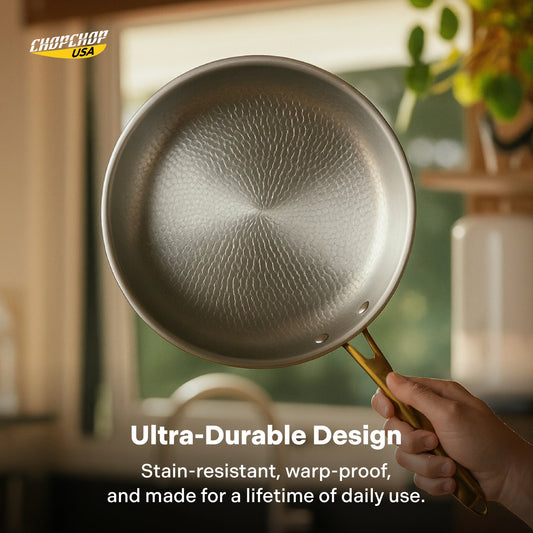
- Corrosion-resistant material for long-term durability
- Even heat distribution that reduces hot spots
- Scratch-resistant surface suitable for frequent use
- Lightweight yet strong construction for easy handling
- Compatible with all stovetops including induction
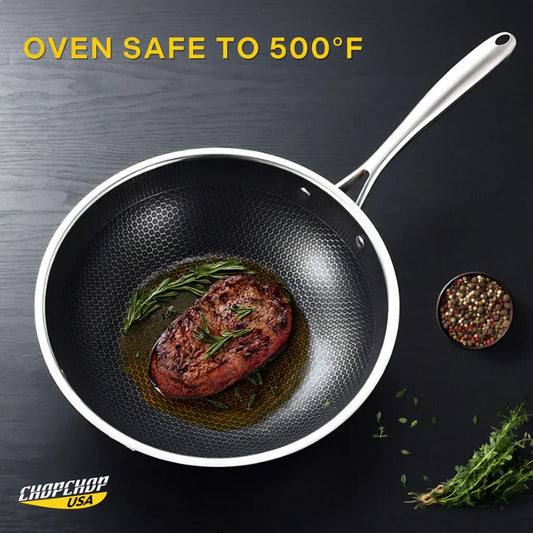
- Oven safe up to 500°F
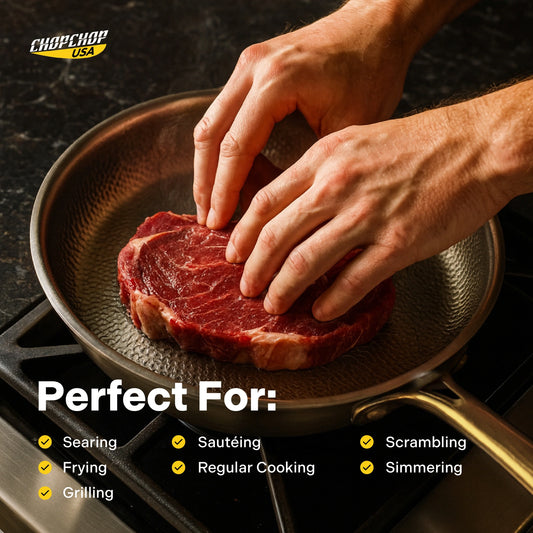
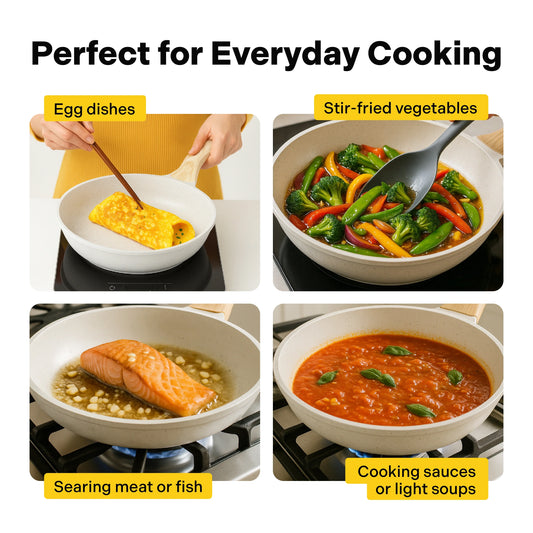
These features support safer cooking without chemical coatings while still providing reliable performance for sautéing, frying, and everyday meals.
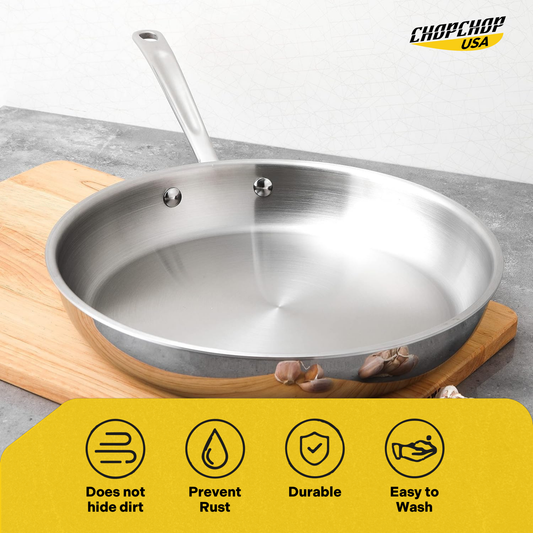
The pan is also designed for quick cleanup and minimal maintenance, making it practical for both home cooks and serious kitchen enthusiasts.
Most importantly, its transparent material structure helps buyers avoid the titanium scam by clearly showing how the cookware is actually built.
Conclusion
The titanium scam often comes from misleading marketing, not titanium itself. Choosing transparent cookware like ChopChop USA’s tri-ply titanium pan helps buyers get real durability, safety, and reliable cooking performance.
For more amazing cooking content, follow us on Facebook and Instagram! If you have any questions about ChopChop USA products or promotions, contact us anytime at support@chopchopusa.com. Our 24/7 team is always happy to help.
Frequently Asked Questions
1. What Is The Titanium Scam In Cookware?
The titanium scam refers to misleading cookware marketing where products claim titanium construction but only contain minimal titanium coatings or vague “titanium-infused” materials.
2. Is Titanium Cookware Actually Safe To Cook With?
Yes. Authentic titanium cookware is non-reactive, corrosion-resistant, and safe for cooking. Problems usually arise from misleading products involved in the titanium scam.
3. Why Do Some Titanium Pans Still Have Food Sticking?
Titanium cookware is durable but not always completely non-stick. Proper preheating, using oil, and controlling cooking temperature help reduce sticking when preparing foods like eggs.
4. How Can Buyers Avoid The Titanium Scam?
Buyers should check material composition, confirm whether the pan is solid or layered, and choose brands that disclose full manufacturing details.
5. Is Tri-Ply Titanium Cookware Better Than Solid Titanium?
Tri-ply designs often perform better because aluminum improves heat distribution while titanium adds durability and safety. This combination creates balanced cookware for everyday cooking.