Are stainless steel cutting boards healthy? Yes. Their non-porous, durable surfaces prevent bacteria buildup, resist odors, and ensure safe, hygienic food preparation for both home cooks and professional chefs. In this guide, ChopChop USA will explain why stainless steel boards are a healthy choice, highlight their advantages, and provide practical tips to maintain hygiene and knife safety.
Related: Are Stainless Steel Cutting Boards Bad For Knives?
Why Choosing a Healthy Cutting Board Matters

Choosing a healthy cutting board is essential for food safety and knife care. Low-quality boards can harbor bacteria, mold, and odors, so selecting safe, non-porous, and hygienic materials keeps your kitchen clean, efficient, and contamination-free.
A high-quality cutting board provides a stable and sanitary surface, reducing cross-contamination between raw meats, vegetables, and other ingredients. This ensures that your food remains safe while prepping meals for your family or guests.
It also helps preserve knife sharpness, making chopping, slicing, and dicing smoother and safer. For those asking are stainless steel cutting boards healthy, premium stainless steel boards offer a durable, easy-to-clean solution that balances hygiene with long-lasting performance, making them ideal for modern kitchens.
Related: Are Stainless Steel Cutting Boards Good?
What Are Stainless Steel Cutting Boards?

Stainless steel cutting boards are made from non-porous metal, designed to resist moisture, bacteria, and odors. Unlike wood or plastic, they do not absorb juices, providing a hygienic, safe prep surface while maintaining durability and protecting knife edges.
For those asking are stainless steel cutting boards healthy, these boards offer a safe and long-lasting kitchen solution. Their polished or slightly textured surfaces balance hygiene with practicality, reducing bacterial buildup while minimizing blade wear, making them ideal for both home cooks and professional chefs.
Widely used in professional kitchens, stainless steel cutting boards combine style and functionality. They are easy to clean, corrosion-resistant, and versatile, ensuring a safe, healthy surface for chopping, slicing, and dicing, which answers the common question: are stainless steel cutting boards healthy.
Related: Are Stainless Steel Cutting Boards Safe?
Are Stainless Steel Cutting Boards Healthy?

Wondering are stainless steel cutting boards healthy? These boards offer numerous advantages, including hygiene, durability, and easy maintenance. They resist bacteria, odors, and corrosion while providing a safe, long-lasting prep surface for both home cooks and professional kitchens.
Hygienic and Non-Toxic
Stainless steel is a non-porous material that does not absorb food juices, odors, or bacteria. Cleaning is easy and thorough, and it won’t leach chemicals into your food, making it a safe choice for all types of ingredients.
Related: Are Stainless Steel Cutting Boards Hygienic?
Resistant to Bacteria and Mold
Unlike wood or plastic, stainless steel surfaces prevent bacteria and mold from settling. The non-porous design ensures that harmful microorganisms cannot hide in grooves or scratches, keeping your kitchen safe.
Corrosion-Resistant
Stainless steel is naturally corrosion-resistant and non-reactive. It won’t rust, stain, or release chemicals into food, ensuring a hygienic surface for raw meats, vegetables, and other ingredients. For those asking are stainless steel cutting boards healthy, corrosion resistance is a key benefit.
Easy Maintenance
Cleaning stainless steel boards is straightforward: rinse, scrub, or place in the dishwasher. No oiling or special care is needed, and residues wipe away easily, maintaining a sanitary prep area.
Versatility
These boards can be used for all types of prep—meats, vegetables, fruits—and even double as heat-resistant surfaces or serving platters. Their sleek, polished design fits both professional and modern home kitchens.
Durability
Stainless steel boards won’t warp, crack, or split over time. Their long-lasting design makes them a sustainable choice, reducing the need for frequent replacements and ensuring hygiene over years of use.
Knife-Friendly with Proper Use
High-quality stainless steel boards balance hardness with smoothness. With correct slicing techniques, they protect knife edges while remaining hygienic and durable, making them a practical choice for daily kitchen use.
Eco-Friendly Option
Many stainless steel boards are made from recyclable materials, reducing environmental impact. Their longevity further decreases waste, making them a sustainable and healthy choice for your kitchen.
Are Stainless Steel Cutting Boards Healthy Compared to Other Materials?

If you’re asking are stainless steel cutting boards healthy compared to wood, bamboo, or plastic, these boards stand out. Their non-porous, durable surfaces resist bacteria, odors, and stains, offering superior hygiene and long-lasting performance in any kitchen.
|
Material |
Health & Hygiene |
Notes |
|
Wood |
Moderate |
Can harbor bacteria if not maintained |
|
Bamboo |
Good |
Harder surface may dull knives |
|
Plastic |
Good |
Can scratch and harbor bacteria in grooves |
|
Stainless Steel |
Excellent |
Non-porous, hygienic, easy to clean |
|
Composite |
Very Good |
Durable and knife-friendly |
Stainless steel tops the list for hygiene, durability, and maintenance. For those asking are stainless steel cutting boards healthy, they offer a safe, long-lasting prep surface for all kitchen tasks.
Related:
- Stainless Steel Cutting Board Pros And Cons: Complete Guide
- Stainless Steel vs Titanium Cutting Board – Which Is Better?
Tips to Keep Stainless Steel Boards Healthy

To ensure your prep surface remains safe and hygienic, follow these tips. For those asking are stainless steel cutting boards healthy, proper cleaning, drying, and maintenance practices keep them bacteria-free, odor-free, and long-lasting in every kitchen.
- Wash with warm, soapy water or in the dishwasher after each use.
- Dry immediately to prevent water spots or rust on lower-grade boards.
- Avoid cutting on boards with grit or debris to prevent scratches where bacteria can hide.
- Use separate boards for raw meat and produce to reduce cross-contamination.
- Regularly inspect the surface for deep scratches or dents and replace if necessary.
Following these tips ensures your stainless steel cutting board remains hygienic and safe for all types of food prep.
Related: Are Stainless Steel Cutting Boards Dishwasher Safe?
How to Clean a Stainless Steel Cutting Board

Keeping your stainless steel cutting board clean is essential for hygiene, food safety, and knife longevity. Follow these steps to maintain a safe, odor-free, and long-lasting prep surface:
- Rinse immediately after use to remove food scraps.
- Wash with mild dish soap and a soft sponge.
- Avoid abrasive cleaners that can scratch the surface.
- Sanitize with a diluted bleach or vinegar solution for extra safety.
- Dry completely to prevent moisture buildup or rust.
- Use baking soda to remove stubborn odors or stains.
Following these simple cleaning steps ensures your stainless steel chopping board stays hygienic and safe, proving why are stainless steel cutting boards healthy and ideal for every kitchen.
Read the full guide: How to Clean a Stainless Steel Cutting Board Easily & Safely
Mistakes to Avoid When Caring for Your Stainless Steel Cutting Board

Proper care keeps your board hygienic and long-lasting, but some common mistakes can reduce its lifespan or compromise safety. Following best practices helps ensure are stainless steel cutting boards healthy and maintain a safe, durable prep surface:
- Not cleaning immediately – Leaving food residue can promote bacteria growth and stains. Always rinse and wash right after use.
- Using abrasive cleaners or steel wool – Harsh scrubbing can scratch the surface, creating places for bacteria to hide. Use soft sponges instead.
- Allowing moisture to sit – Standing water can cause rust spots on lower-grade boards. Dry completely after washing.
- Cutting on a dirty board – Tiny particles or grit can scratch the surface and dull knives. Clean before each use.
- Ignoring deep scratches – Over time, deep cuts can harbor bacteria. Replace or resurface boards as needed.
Following these tips ensures your board stays safe, hygienic, and long-lasting.
Related:
- How Long Do Stainless Steel Cutting Boards Last?
- 5 Best Stainless Steel Cutting Boards - Tested & Reviewed
Upgrade Your Kitchen with ChopChop USA Stainless Steel Cutting Boards

Elevate your kitchen experience with ChopChop USA’s premium stainless steel cutting boards, designed for ultimate hygiene, durability, and knife protection. Every board blends functionality with sleek, modern style, making food prep safer and more efficient.
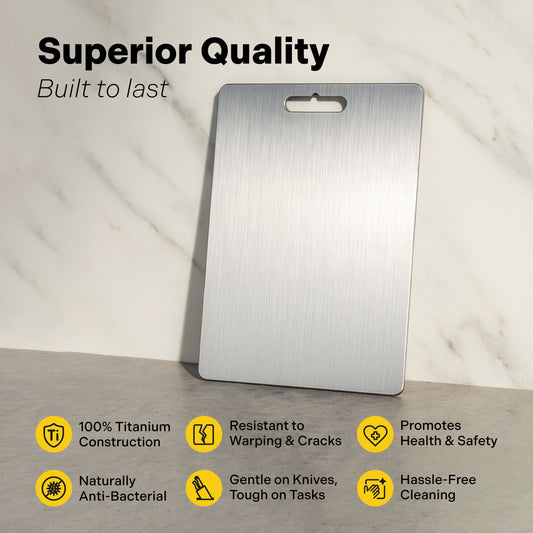
ChopChop USA Stainless Steel Cutting Board – Non-porous and easy to clean, this board keeps knives sharp while preventing bacteria and odor buildup. Its stylish design complements any kitchen, offering a professional-grade prep surface at home.
Read more: Stainless Steel Cutting Board Review - Is It Worth It?

ChopChop™ USA Stainless Steel Cutting Board
Limited-Time Offer — Get Free Gifts
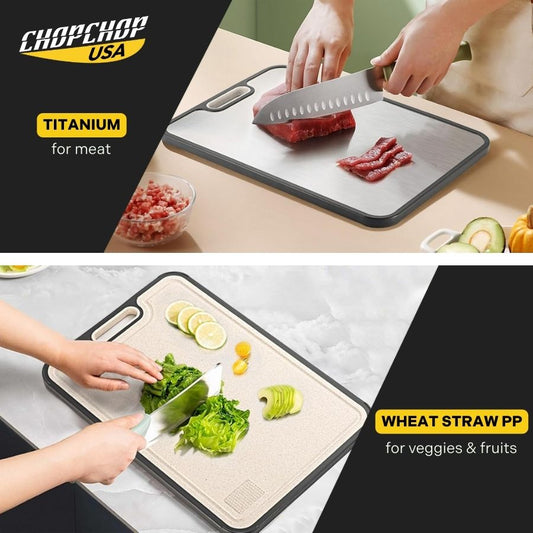
ChopChop USA Double-Sided Stainless Steel Cutting Board – This versatile board features a gentle rice husk fiber side to protect knives and a non-porous stainless steel side for effortless sanitation. Lightweight, durable, and safe, it’s perfect for everyday use.
Related: Double-Sided Stainless Steel Cutting Board Review – Is It Worth It?

ChopChop USA Double-Sided Stainless Steel Cutting Board
Limited-Time Offer — Get Free Gifts
For those asking are stainless steel cutting boards healthy, ChopChop USA boards deliver unmatched hygiene, practicality, and long-lasting performance in one premium solution.
Conclusion
Are stainless steel cutting boards healthy? Stainless steel cutting boards are a healthy, durable, and hygienic choice for any kitchen. ChopChop USA cutting boards protect knives, resist bacteria, and simplify food prep.
For more amazing recipes, follow me on Facebook and Instagram! If you have any questions about ChopChop USA's products or promotions, please feel free to contact us at support@chopchopusa.com. Our dedicated team is available 24/7 and always happy to assist you.
Frequently Asked Questions
1. What is the healthiest material for a cutting board?
Stainless steel is one of the healthiest options due to its non-porous surface, resistance to bacteria, and easy-to-clean design, making it ideal for safe food prep.
2. Is a stainless steel cutting board safe?
Yes. Stainless steel is non-toxic, non-porous, and resistant to bacteria and corrosion, providing a hygienic surface for all types of food preparation.
3. Can stainless steel cutting boards dull knives?
High-quality boards are designed to protect knives. Using smooth slicing motions preserves blade sharpness, ensuring long-lasting performance while maintaining hygiene.
4. How do I clean a stainless steel cutting board?
Wash with warm, soapy water or place it in the dishwasher. Dry immediately to prevent water spots or potential rust on lower-grade boards.
5. Are stainless steel boards better than wood or plastic?
Yes. They outperform wood and plastic in hygiene, durability, and maintenance while remaining knife-friendly when used correctly.