


Have you ever wondered about stainless steel cutting board pros and cons? These boards offer exceptional hygiene and durability, but they also come with a few drawbacks worth knowing. In this guide, ChopChop USA will explain stainless steel cutting board pros and cons clearly so you can confidently choose the right board, compare materials, and understand what makes stainless steel a high-performing option.
In this article
- What Is a Stainless Steel Cutting Board?
- Stainless Steel Cutting Board Pros and Cons
- Comparisons: Stainless Steel vs. Other Materials
- How to Choose a Stainless Steel Cutting Board
- How to Clean a Stainless Steel Cutting Board
- Discover the Quality of ChopChop USA: The Ultimate Stainless Steel Cutting Boards
- Conclusion
- Frequently Asked Questions
What Is a Stainless Steel Cutting Board?

A stainless steel cutting board is a durable, non-porous surface made from high-quality 304 or 316 stainless steel, resistant to rust, stains, and odors, ideal for food preparation and easy cleaning. This special material has a few key features that make it stand out:
- Prevents Bacterial Buildup: Its smooth surface has no tiny holes, making it a cleaner, safer choice for food prep.
- Odor Proof: Smells from foods like garlic or fish won't soak into the steel, keeping it fresh and free from flavor transfer.
- Durable: Unlike wood or plastic, it won’t crack, warp, or split. It’s built to withstand heavy use for a lifetime.
- Scratch Resistant: While it may show minor surface marks, it resists deep cuts and grooves where bacteria can hide.
- Eco-Friendly: Its long lifespan means less waste, making it a more sustainable choice for the environment.
These special material traits are what give the steel board its biggest strengths. They also play a major role when evaluating stainless steel cutting board pros and cons in real kitchen use.
Ready to shop? See where to buy stainless steel cutting boards.
You may also like: Are Stainless Steel Cutting Boards Bad for Knives? A Complete Guide
Stainless Steel Cutting Board Pros and Cons

Below is a full breakdown of stainless steel cutting board pros and cons, showing what makes these boards exceptional and where they may fall short.
Pros of a Stainless Steel Cutting Board
Stainless steel cutting boards offer impressive advantages that make them stand out in modern kitchens. From superior hygiene to long-lasting durability, these benefits highlight why many home cooks prefer stainless steel for everyday meal prep.
Hygiene & Food Safety
The biggest advantage when looking at stainless steel cutting board pros and cons is hygiene. Stainless steel is non-porous and leaves no room for bacteria, mold, or juice absorption. This ensures a cleaner, safer food prep environment.
Durability & Longevity
Among all cutting board materials, stainless steel is the most durable. It will not crack, warp, chip, stain, or absorb odors. When comparing stainless steel cutting board pros and cons, longevity is where it truly shines.
Easy Cleaning & Maintenance
Stainless steel requires little to no upkeep. You can wash it with soap, run it under hot water, or place it in the dishwasher. This easy-care nature is essential in the evaluation of stainless steel cutting board pros and cons.
Non-reactive & Heat-resistant
You can place hot pans, frozen foods, or acidic ingredients on it without damage. This chemical stability is another major win when assessing stainless steel cutting board pros and cons.
Aesthetic & Modern Design Appeal
Sleek, modern, and professional-looking, stainless steel adds style to any kitchen. This appearance is often overlooked, but still a valuable part of stainless steel cutting board pros and cons.
Cons of a Stainless Steel Cutting Board
While these boards offer many strengths, they also have a few drawbacks. Understanding these limitations helps you decide if they are right for your kitchen.
- Price: They cost more than plastic but last much longer, making the higher price justified by their durability.
- Noise & Sound: Stainless steel can be noisy while chopping, which may be a downside for those sensitive to sound.
See more: Do Stainless Steel Cutting Boards Scratch? Your 2025 Guide
Comparisons: Stainless Steel vs. Other Materials

When choosing a cutting board, it’s helpful to compare stainless steel to wood and plastic. Below is a clear look at 40 words explaining the differences. Understanding these comparisons helps you determine stainless steel cutting board pros and cons more accurately before buying.
|
Feature |
Stainless Steel |
Wood |
Plastic |
|
Hygiene |
No pores for germs. Easy to sanitize. |
Traps germs in cuts; absorbs juices. |
Knife cuts harbor bacteria. |
|
Durability |
Lasts a lifetime. No cracking or warping. |
Long-lasting with proper care. |
Scratches easily; replaced often. |
|
Knife Care |
Hard surface; more knife care needed. |
Very gentle on blades. |
Softer but scars easily. |
|
Maintenance |
No special care. Dishwasher safe. |
Needs oiling to prevent cracks. |
No special care. |
|
Food Safety |
Pure material; no microplastics. |
Natural, no plastic risk. |
It can shed microplastics. |
|
Value |
One-time purchase, lasts forever. |
Long-lasting but requires upkeep. |
Cheap but replaced frequently. |
Related: Are Stainless Steel Cutting Boards Good?
How to Choose a Stainless Steel Cutting Board

Choosing the right stainless steel cutting board is essential for efficiency and longevity. Consider key factors like material, size, and features to ensure you select a board that meets your kitchen needs.
- Material Quality: Choose high-quality 304 or 316 stainless steel for durability, rust resistance, and food safety.
- Size and Thickness: Pick a size that suits your kitchen tasks; thicker boards provide stability, while thinner ones are easier to store.
- Knife-Friendliness: Look for a textured or brushed surface to minimize wear on your knife edges.
- Cleaning and Maintenance: Ensure the board is easy to clean, dishwasher-safe, and resistant to stains and odors.
- Extra Features: Consider additional features like juice grooves, hanging holes, or double-sided surfaces for enhanced convenience.
Not sure which model to buy? Read our roundup of the best stainless steel cutting boards.
How to Clean a Stainless Steel Cutting Board

Regular cleaning is essential for maintaining the hygiene, durability, and appearance of your stainless steel cutting board.
- Daily Cleaning: Rinse with warm water right after use. Apply mild soap and scrub with a soft sponge. Avoid abrasive scrubbers for longer board life.
- Tougher Stains & Odors: Use baking soda or vinegar to tackle stains. For lingering smells, rub with lemon. A baking soda paste works for tough stains like beetroot or turmeric.
- Sanitizing: After cleaning, sanitize with a food-safe sanitizer or mild bleach solution, especially after raw meat. Rinse well and dry with a microfiber cloth to avoid spots.
By following these steps, your board will remain hygienic, odor-free, and durable for years.
Discover the Quality of ChopChop USA: The Ultimate Stainless Steel Cutting Boards
ChopChop USA specializes in premium, long-lasting, and hygienic cutting boards designed for modern kitchens. Our boards address the most important stainless steel cutting board pros and cons, offering unbeatable durability and cleanliness.
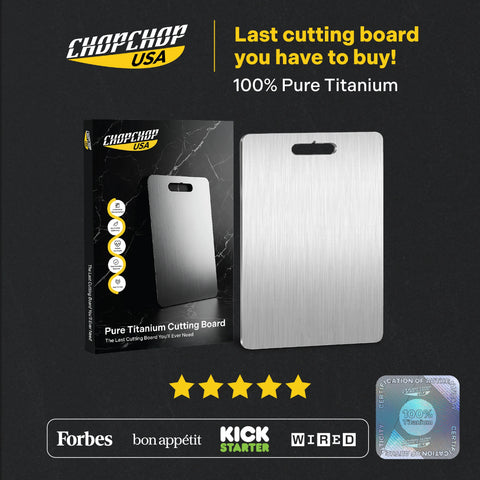
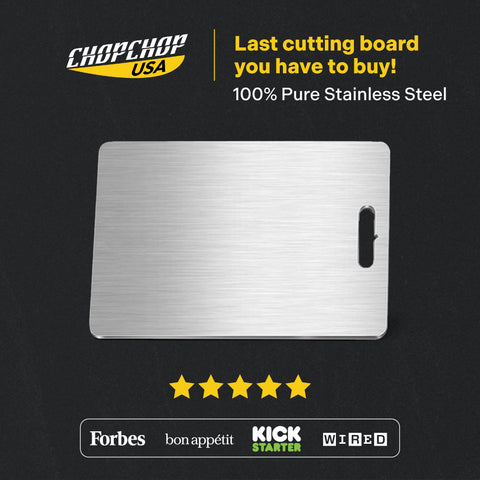
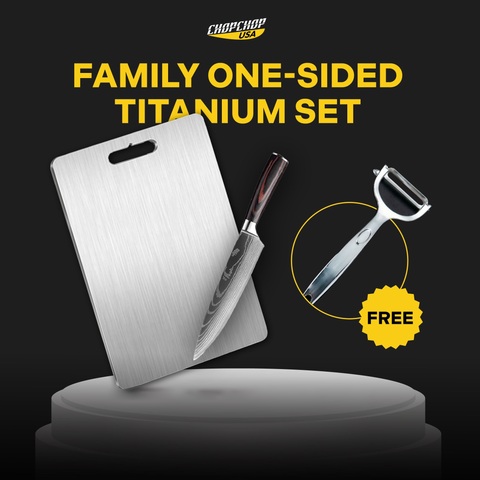
ChopChop USA Stainless Steel Cutting Board
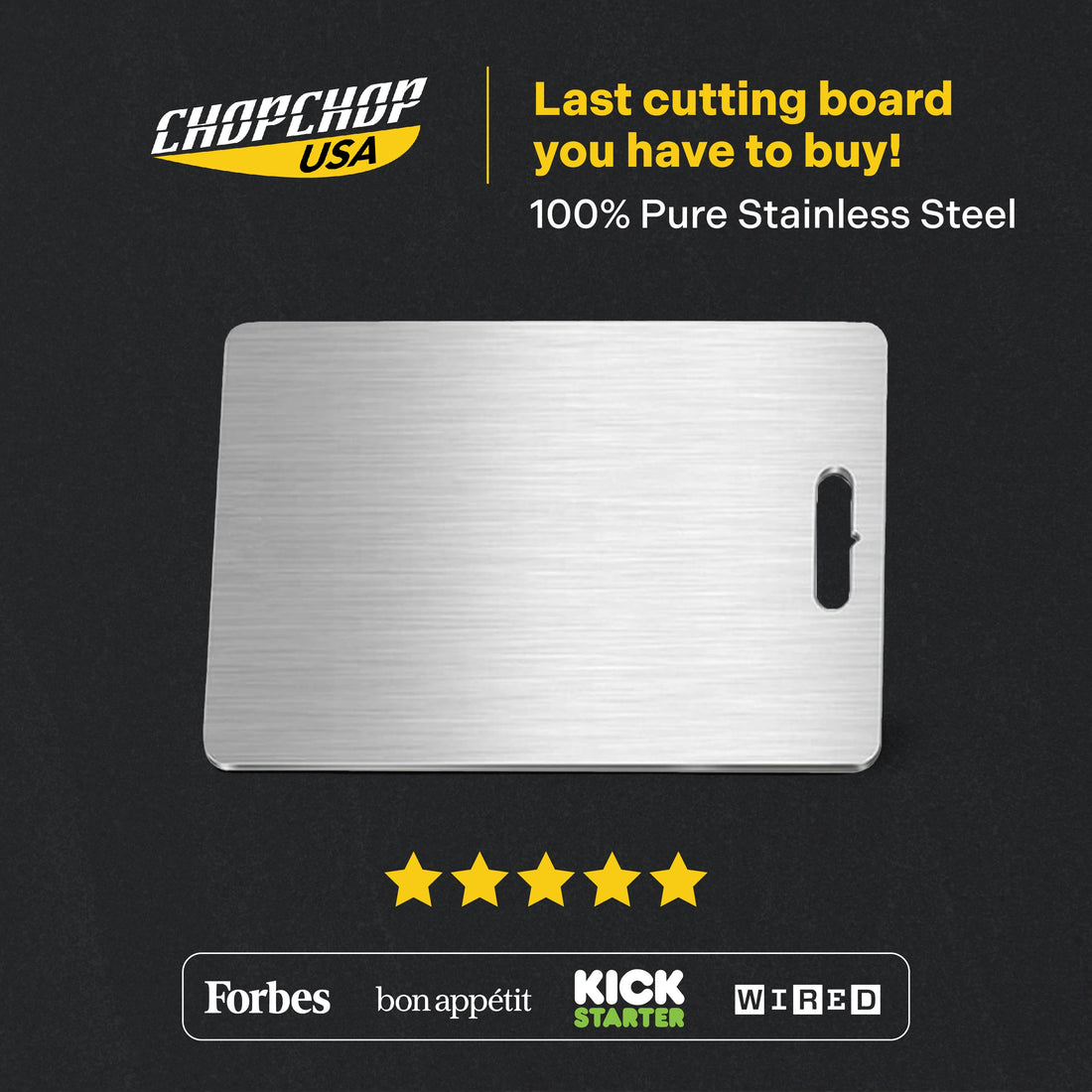
The ChopChop USA Stainless Steel Cutting Board is designed to give you a safer, cleaner, and longer-lasting option compared to traditional wood or plastic boards. It combines durability, hygiene, and style in one premium kitchen essential.

Key Benefits
- Durable – Won’t warp or crack; built to last a lifetime.
- Antibacterial Surface – Protects against bacteria and mold for a hygienic prep area.
- Easy to Clean – Simply rinse, wipe, or place in the dishwasher.
- Knife-Friendly – Gentle on your knives, helping them stay sharper longer.
- Zero Microplastics – No harmful chemicals or plastic residue.
- Budget-Friendly – Avoid replacing cheap cutting boards again and again.
- Best Long-Term Value – One-time investment with no future replacements needed.
- Premium Choice – Combines performance, safety, and modern design.
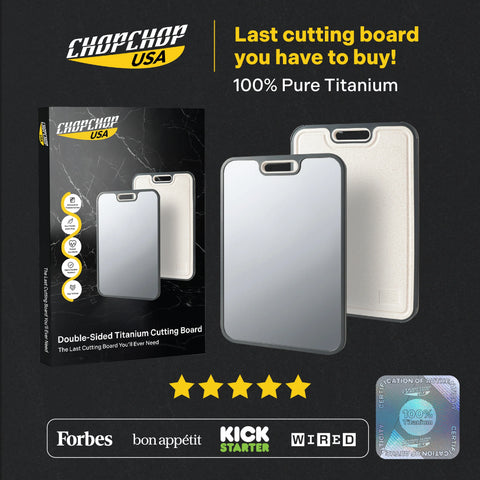
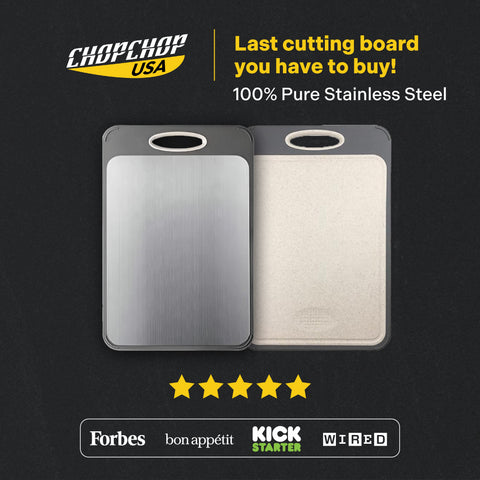
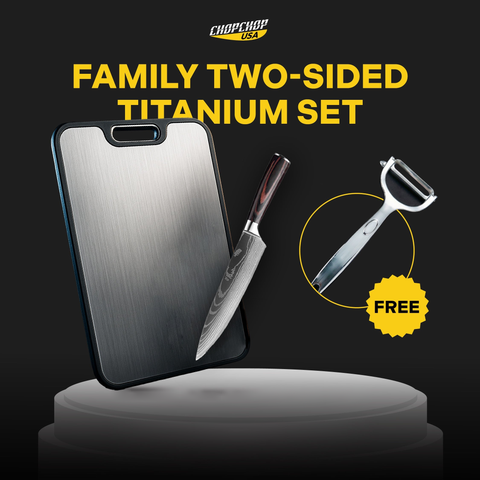
ChopChop USA Double-Sided Stainless Steel Cutting Board
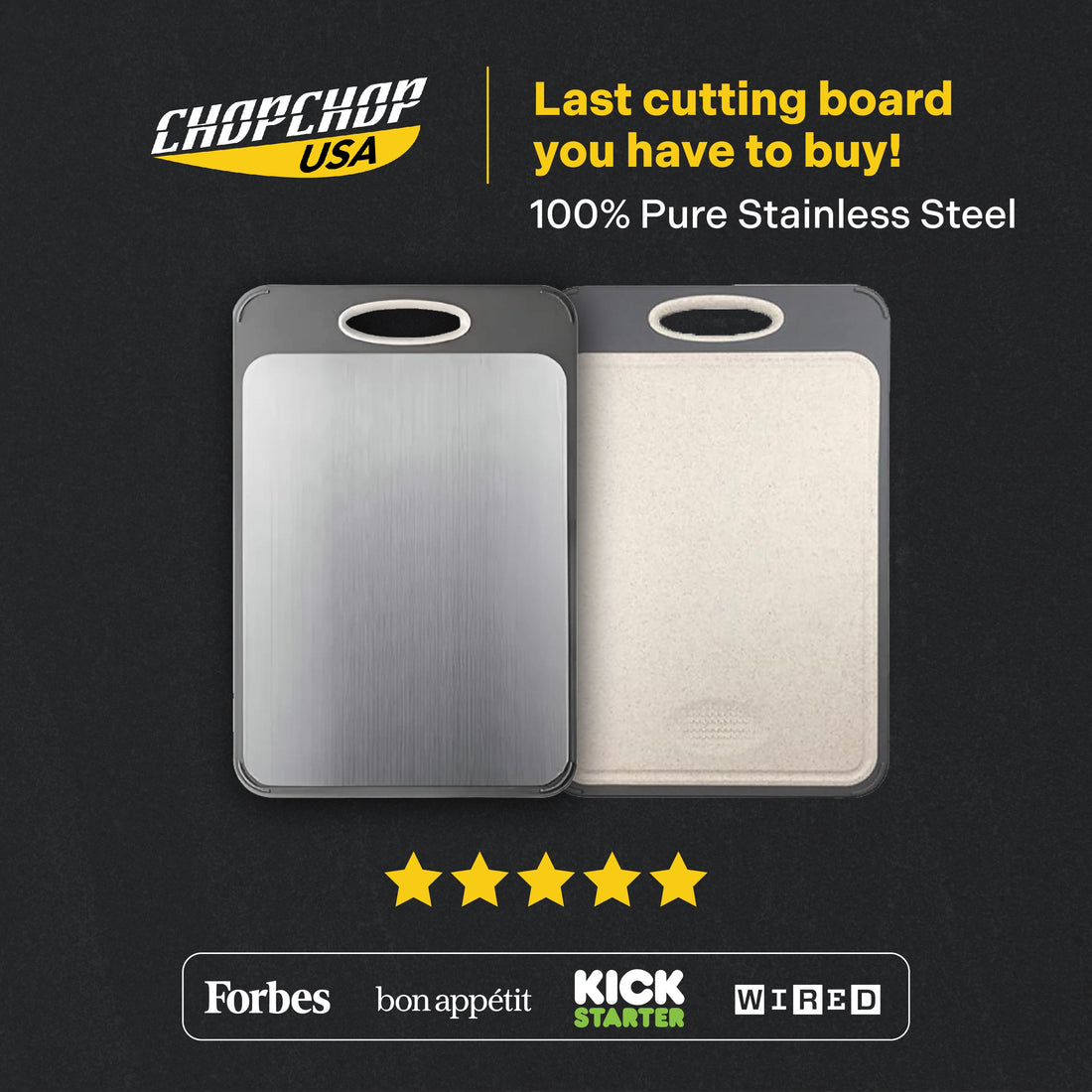
Looking for a cutting board that’s durable, safe, and easy to clean? The ChopChop USA Double-Sided Stainless Steel Cutting Board is designed to eliminate common issues—like warping, staining, and bacteria buildup—that come with traditional boards.

Key Benefits
- Dual-Sided Design for Versatility & Durability: One side features a rice husk fiber surface that’s gentle on knives, while the other is a stainless steel side that’s antibacterial, odorless, and ultra-durable.
- Built to Last: The stainless steel construction resists wear, cracking, and warping, ensuring long-lasting durability.
- Antibacterial & Odor-Free: The non-porous steel surface blocks bacteria, mold, and odors, maintaining a hygienic prep area.
- Gentle on Knives: The rice husk side preserves your knife blades, keeping them sharp and smooth.
- Effortless Cleaning: Simply wipe clean or place in the dishwasher for hassle-free maintenance.
- Zero Microplastics: Made with food-safe, chemical-free materials, ensuring a safe cooking environment.
- Lightweight & Easy to Handle: Despite its durability, the board is lightweight and easy to store, making it perfect for everyday use.
Conclusion
Understanding stainless steel cutting board pros and cons helps you choose a board that fits your lifestyle. ChopChop USA offers durable, hygienic, and long-lasting options perfect for every kitchen.
For more amazing recipes, follow me on Facebook and Instagram! If you have any questions about ChopChop USA's products or promotions, please feel free to contact us at support@chopchopusa.com. Our dedicated team is available 24/7 and always happy to assist you.
Frequently Asked Questions
1. Will a stainless steel cutting board rust?
No. High-quality 304 or 316 stainless steel resists rust, staying clean and long-lasting under normal kitchen use.
2. Is it safe to cut raw meat on stainless steel?
Yes. It’s non-porous and antibacterial, preventing absorption, stains, and bacterial buildup, and is easy to sanitize.
3. Are stainless steel cutting boards better for you?
Yes. They’re free of microplastics, resist bacteria, and remain odor-free, offering a safer and cleaner prep surface.
4. What are the pros and cons of a stainless steel cutting board?
Pros include hygiene, durability, and easy cleaning. Cons include noise and a higher price. These factors summarize stainless steel cutting board pros and cons clearly.
5. Are Stainless Steel Cutting Boards Good?
Yes. They provide excellent hygiene, durability, and long-term value, making them a smart investment.