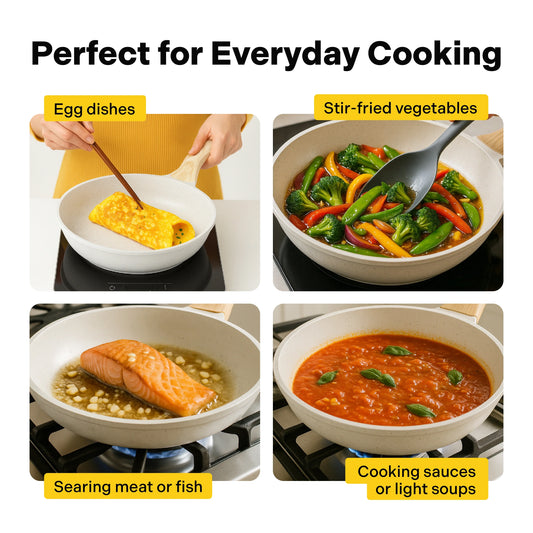
Have you ever wondered about the things you should never cook in cast iron? The short answer is simple: acidic, delicate, sticky, or liquid-heavy dishes can damage seasoning, cause metallic flavors, and reduce your skillet’s long-term cooking performance.
In this guide, ChopChop USA will explain the key things you should never cook in cast iron, why they matter, and how to protect your skillet for long-lasting performance.
Understanding Cast Iron Skillet

A cast iron skillet is a heavy-duty cooking pan made from molten iron poured into molds and hardened into a single, solid piece. It is valued for exceptional durability, superior heat retention, and powerful searing performance.
When properly seasoned, cast iron develops a natural nonstick surface created by polymerized oil bonded to the metal. This protective layer strengthens with use, improving food release and enhancing flavor over time. That is why it is ideal for steaks, cornbread, roasted vegetables, and crispy potatoes.
However, understanding the things you should never cook in cast iron is just as important as knowing its strengths. Because cast iron is porous and depends on seasoning for protection, certain foods can strip the surface, react with the metal, or leave stubborn residue.
The more you cook fatty, high-heat dishes, the stronger the seasoning becomes. But repeatedly cooking the wrong ingredients can weaken that layer. If you want your skillet to last for decades, learning the things you should never cook in cast iron will protect its performance and save you unnecessary maintenance.
4 Things You Should Never Cook in Cast Iron
Understanding the things you should never cook in cast iron helps preserve seasoning, prevent metallic flavors, and extend your skillet’s lifespan. While cast iron is incredibly durable, certain foods can damage its surface or affect taste. Here are four key categories every home cook should avoid.
Acidic Foods

One of the most common things you should never cook in cast iron is highly acidic food. Tomatoes, vinegar-based sauces, citrus juice, and wine-heavy reductions can react with the iron surface.
When acidic ingredients simmer too long, they may:
- Strip away seasoning
- Create metallic flavors
- Cause discoloration
- Weaken the nonstick surface
Short exposure is usually fine, especially in a well-seasoned pan. But slow-simmering tomato sauce for an hour is risky. The acid can break down the protective oil layer and leave your skillet vulnerable to rust.
If you love cooking shakshuka or marinara, consider using stainless steel or enameled cookware instead. Reserve your cast iron for high-heat searing and roasting.
To maintain peak performance, remember that acidic dishes are among the top things you should never cook in cast iron for extended periods.
Delicate Fish and Sauces

Another category on the list of things you should never cook in cast iron includes delicate fish and fragile cream-based sauces.
Thin white fish like sole or tilapia can easily stick to the surface if the seasoning is not perfectly developed. Unlike sturdy salmon or tuna, delicate fish tends to flake apart, making cleanup difficult and presentation messy.
Cream sauces also pose challenges. Dairy can scorch quickly in cast iron due to intense heat retention. Burnt residue sticks firmly and requires scrubbing, which may damage the seasoning.
Additionally, subtle flavors can absorb metallic undertones if the skillet is not well maintained. This affects taste quality.
If preparing beurre blanc, Alfredo, or light lemon butter sauce, stainless steel offers better temperature control. Protecting your pan means recognizing these as things you should never cook in cast iron regularly.
Sticky Sweets or Delicate Cakes

Desserts might surprise you on the list of things you should never cook in cast iron, but certain sweets can create problems.
Sticky caramel, marshmallow-based treats, or sugary glazes can harden and cling aggressively to the surface. Removing them often requires soaking or heavy scrubbing—both harmful to seasoning.
Delicate sponge cakes also struggle in cast iron. The heavy heat retention may over-brown edges before the center finishes baking. Lifting fragile baked goods out of a heavy skillet can cause breakage.
That said, cast iron excels at rustic desserts like skillet cookies, cobblers, and cornbread. These sturdy recipes benefit from crispy edges and even browning.
Still, when considering the things you should never cook in cast iron, overly sticky or fragile sweets deserve caution.
Soups

Soups are often overlooked among the things you should never cook in cast iron, but they can cause long-term damage.
Most soups involve long simmering times and high liquid content. Extended exposure to water can gradually weaken seasoning. If the soup contains tomatoes or vinegar, the risk increases.
Because cast iron is not designed for prolonged liquid storage, leaving soup overnight in the skillet may cause rust spots. Even a well-seasoned pan can suffer from repeated moisture exposure.
Dutch ovens made of enameled cast iron are better suited for soups and stews. They provide similar heat retention without the same risk of surface damage.
To extend your skillet’s lifespan, keep soups on the list of things you should never cook in cast iron for extended durations.
Introduction ChopChop USA Cast Iron Skillet

ChopChop USA Cast Iron Skillet
Limited-Time Offer — Get Free Gifts
The ChopChop USA Cast Iron Skillet is more than cookware — it’s a long-term investment in quality, flavor, and performance. Designed for serious home cooks and professionals alike, this skillet delivers powerful heat retention, exceptional durability, and reliable results across every cooking surface.
Crafted from premium cast iron and pre-seasoned for immediate use, it develops a richer natural nonstick surface with every meal. Built to last for generations, ChopChop USA combines timeless craftsmanship with modern kitchen versatility, giving you complete confidence every time you cook.
Superior Heat Retention And Even Cooking
Engineered for outstanding heat retention, this skillet distributes heat evenly to ensure flawless searing, crisp edges, and perfectly cooked interiors — every single time.
Pre-Seasoned Natural Nonstick Surface
Arrives pre-seasoned and ready to use, forming a naturally nonstick layer that improves with continued cooking for effortless food release.
Multi-Heat Source Compatibility
Performs seamlessly on gas, electric, induction, ovens, grills, and even open flames — perfect for both indoor kitchens and outdoor cooking.
Heavy-Duty Lifetime Durability
Constructed from solid cast iron for unmatched strength and stability, designed to withstand decades of daily cooking without warping or damage.
Chemical-Free And Food-Safe Material
Made from pure cast iron with no synthetic coatings, ensuring safe, natural cooking while preserving authentic flavors in every dish.
How To Care For A Cast Iron Skillet

Proper care ensures your cast iron skillet maintains its natural nonstick surface, resists rust, and delivers exceptional performance for decades. With the right routine, your skillet will only improve over time.
Clean Gently After Each Use
Wash with warm water and a soft brush or sponge. Avoid harsh detergents or steel wool that can strip seasoning. For stubborn residue, use coarse salt as a natural scrub.
Dry Immediately And Thoroughly
Moisture is the main cause of rust. After washing, dry your skillet completely with a towel, then place it on low heat for a few minutes to remove hidden moisture.
Apply A Light Coat Of Oil
While the skillet is still warm, rub a thin layer of cooking oil over the entire surface. This maintains seasoning and protects against oxidation.
Store In A Dry, Ventilated Area
Keep your skillet in a dry place. If stacking with other cookware, place a paper towel inside to absorb moisture and prevent scratches.
Re-Season When Needed
If food begins sticking or the surface looks dull, apply a thin coat of oil and bake upside down in the oven at high heat for one hour. This restores the protective layer.
With consistent care and by avoiding the things you should never cook in cast iron, your skillet will remain a reliable, high-performance tool in your kitchen for generations.
Conclusion
Avoiding the key things you should never cook in cast iron protects seasoning and flavor. With proper care and smart cooking choices, ChopChop USA delivers lasting performance and timeless reliability.
For more amazing cooking content, follow us on Facebook and Instagram! If you have any questions about ChopChop USA products or promotions, contact us anytime at support@chopchopusa.com. Our 24/7 team is always happy to help.
Frequently Asked Questions
1. What Shouldn't Be Cooked In Cast Iron?
Highly acidic foods, delicate fish, sticky sweets, and long-simmered soups are common examples of things you should never cook in cast iron regularly.
2. Is The ChopChop USA Cast Iron Skillet Safe To Use?
Yes, the ChopChop USA Cast Iron Skillet is chemical-free, food-safe, and naturally nonstick when seasoned properly and maintained with routine care.
3. Is Cast Iron Skillet Easy To Clean?
Yes, cleaning is simple. Use warm water, gentle scrubbing, dry immediately, and lightly oil the surface to maintain seasoning and prevent rust.
4. How To Cook With A Cast Iron Skillet?
Preheat gradually, use sufficient oil, avoid overcrowding, and cook high-heat foods like steaks, vegetables, or cornbread for best results.
5. How Long Will The Cast Iron Skillet Last?
With proper care and by avoiding things you should never cook in cast iron, a high-quality skillet can last decades or even generations.