Why Ceramic Frying Pans Get Sticky?

Before diving into restoration, it’s essential to understand why your ceramic frying pan becomes sticky in the first place, as this knowledge helps you identify the root causes and choose the right methods for how to restore a ceramic frying pan effectively.
- Misleading ceramic coating: Many ceramic frying pans are coated with a silicon or silica-based material rather than true ceramic. This coating can degrade over time, compromising its non-stick performance.
- Loss of non-stick coating: The thin layer of silica or silicone, which gives ceramic pans their non-stick properties, gradually wears away with regular use. This results in food sticking to the surface.
- Buildup of residue: Over time, even small particles of burnt food can accumulate on the pan’s surface, creating a sticky layer that affects the non-stick function.
By understanding the causes of stickiness, you can more effectively learn how to restore a ceramic frying pan.
Factors That Speed Up Non-Stick Damage

Several habits and conditions can damage the non-stick surface of ceramic frying pans more quickly, which can make it harder to restore their original non-stick properties. Understanding these factors is key when learning how to restore a ceramic frying pan.
- Using metal utensils: Metal utensils can scratch the surface, stripping away the non-stick coating.
- Abrasive cleaning pads: Harsh scrubbing pads can damage the delicate surface.
- High cooking temperatures: Excessive heat can break down the ceramic coating.
- Cooking sprays: These can leave harmful residues that damage the non-stick layer.
- Burnt oil: Oils like olive oil that burn easily can carbonize on the pan, leading to sticky surfaces.
- Improper cleaning: Failing to clean your pan properly can cause buildup that’s harder to remove.
With this knowledge, let’s move on to the process of how to restore a ceramic frying pan.
Step-by-Step Guide on How to Restore a Ceramic Frying Pan
Now that you know what causes stickiness, let’s explore some effective methods on how to restore a ceramic frying pan to its original non-stick condition and ensure long-lasting performance for your cookware.
Restoring a Ceramic Frying Pan With Soap and Water

This is the simplest method for restoring a ceramic frying pan to a clean state. Follow these steps:
- Let the pan cool: Always wait for your pan to cool completely before cleaning it to prevent the ceramic from cracking.
- Rinse: Rinse the pan with warm water to remove loose debris.
- Soap: Apply a small amount of mild dish soap. Avoid harsh chemicals that can damage the coating over time.
- Sponge: Use a soft sponge to scrub the surface gently. Avoid abrasive pads, which can scratch the ceramic coating.
- Rinse and dry: Rinse the pan thoroughly and dry it with a soft cloth.
This basic cleaning method is an essential part of how to restore a ceramic frying pan.
Restoring a Ceramic Frying Pan with Vinegar and Baking Soda

For tougher stains and residues, vinegar and baking soda provide a natural, effective solution. Here’s how:
- Create the mixture: Mix equal parts vinegar and water, then add one tablespoon of baking soda to form a paste.
- Boil: Pour the mixture into the pan and bring it to a simmer. Let it boil for 5 minutes to loosen stubborn buildup.
- Scrub: Use a soft sponge to gently scrub the surface of the pan.
- Rinse and dry: Rinse thoroughly with water and dry with a clean towel.
This method is perfect for how to restore a ceramic frying pan when dealing with built-up residue or burnt food.
Restoring a Ceramic Frying Pan by Seasoning with Oil

Seasoning your ceramic frying pan is one of the best ways to restore its non-stick properties. Here’s how to do it:
- Choose Your Oil: Use a high-quality oil like soybean oil for seasoning.
- Apply Oil: Apply a thin layer of oil to the inside of the pan.
- Heat: Place the pan on medium heat and allow it to heat until the oil starts to smoke.
- Cool: Turn off the heat and let the pan cool completely before wiping away any excess oil.
This technique is crucial when learning how to restore a ceramic frying pan to its original non-stick condition.
Restoring a Ceramic Frying Pan Using Salt

If your pan has stubborn residue, salt can help break it down. Here’s how:
- Salt application: Pour a generous amount of salt into the pan.
- Heat: Place the pan on the stove and heat it on medium-low for about 5 minutes.
- Scrub: Use a soft sponge to scrub away the burnt food or residue.
- Rinse: Rinse with warm water and dry the pan thoroughly.
Using salt is a handy way to clean and restore your pan without damaging its surface.
How to Prevent Your Ceramic Frying Pan from Getting Sticky

To keep your ceramic frying pan non-stick and avoid the need for frequent restoration, follow these preventive tips on how to restore a ceramic frying pan and maintain its non-stick surface for the long term.
- Season regularly: Just like cast iron, regularly seasoning your pan helps maintain its non-stick layer. Apply oil, heat it up, and let it cool to protect the surface.
- Cook on low to medium heat: Avoid high temperatures that can damage the coating.
- Clean immediately: After cooking, clean the pan promptly with non-abrasive sponges and mild dish soap.
- Avoid metal utensils: Stick to wooden or silicone utensils to prevent scratching the surface.
- Say no to aerosol sprays: These sprays contain additives that can damage the ceramic over time.
- Hand wash only: Always wash by hand, as the dishwasher’s harsh detergents and high heat can break down the ceramic coating.
- Use a little oil: Every time you cook, add a small amount of oil to keep the pan’s surface conditioned.
By following these tips, you can ensure that your pan stays in excellent condition, extending its lifespan and ensuring its non-stick capabilities.
ChopChop USA Ceramic Frying Pan: The Key to Long-Lasting Non-Stick Performance

ChopChop USA Ceramic Frying Pan
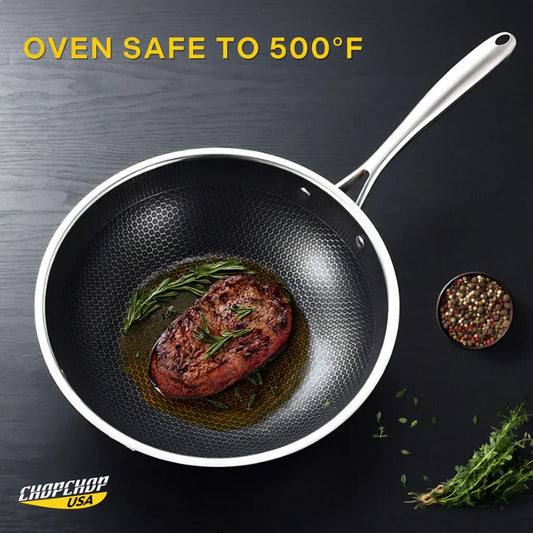
Limited-Time Offer — Get Free GiftsFor those who want a high-quality, durable ceramic frying pan, the ChopChop USA Ceramic Frying Pan offers a fantastic option. Here’s why it’s the perfect choice: it helps maintain your pan's non-stick surface, ensuring long-lasting performance and making restoration easier.
- Chemical-free cooking: Enjoy toxin-free cooking with the natural ceramic coating, free from harmful chemicals like PTFE and PFOA.
- Even heat distribution: The reinforced aluminum base ensures your food cooks evenly every time, preventing hot spots.
- Scratch-resistant surface: The durable ceramic surface resists scratches and retains its smooth, non-stick finish for years.
- Effortless cleanup: Its non-stick surface makes cleaning quick and easy.
- Built to last: Made with premium materials, this pan is built to withstand daily use and remain reliable for years.
- Oven and cooktop safe: Safe for use up to 550°F, the ChopChop USA Ceramic Frying Pan is compatible with all cooktops, including gas, electric, and induction.

By learning how to restore a ceramic frying pan, you can take full advantage of these features, which help maintain its non-stick surface and simplify the restoration process, ensuring your pan remains durable and performs at its best for years.
Conclusion
How to restore a ceramic frying pan? Restoring your ceramic frying pan is simple with the right techniques. By cleaning, seasoning, and proper care, you can extend its life and preserve the non-stick surface. ChopChop USA makes restoration easier with durability and heat distribution.
For more amazing recipes, follow me on Facebook and Instagram! If you have any questions about ChopChop USA's products or promotions, please feel free to contact us at support@chopchopusa.com. Our dedicated team is available 24/7 and always happy to assist you.
Frequently Asked Questions
1. How to restore a ceramic frying pan?
Ceramic pans can be restored through cleaning, seasoning, and proper maintenance. Techniques like using vinegar and baking soda or seasoning with oil help restore their non-stick properties.
2. How to Restore a Burnt Ceramic Pan?
To restore a burnt ceramic pan, use a vinegar and baking soda mixture to loosen burned residue, then season the pan to restore its non-stick surface.
3. Can I Put My Ceramic Frying Pan in the Dishwasher?
It’s not recommended. High heat and harsh detergents can damage the ceramic coating. Always wash by hand.
4. Are Ceramic Pans Safe for High-Heat Cooking?
Ceramic pans are not ideal for high-heat cooking, as excessive heat can degrade the non-stick coating. Use low to medium heat instead.
5. How Often Should I Restore my Ceramic Frying Pan?
Restore your ceramic frying pan when food starts sticking or the surface dulls. Regular cleaning and seasoning help maintain the non-stick surface, delaying full restoration.