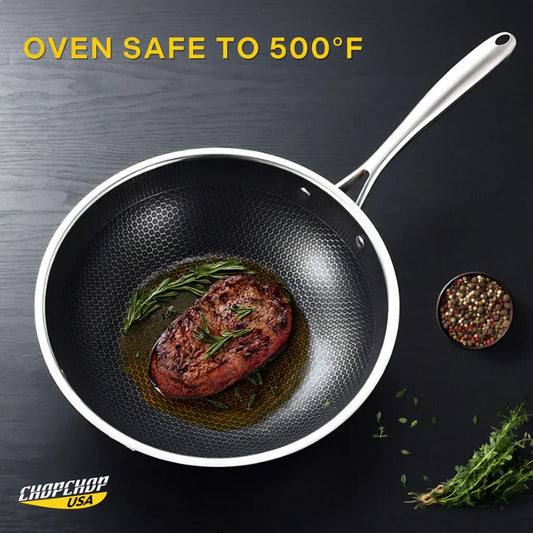
Are you trying to understand the pros and cons of ceramic cookware before choosing new pans? The answer is simple: ceramic cookware offers chemical-free, nonstick cooking, but it also comes with durability and heat limitations. In this guide, ChopChop USA will break down the pros and cons of ceramic cookware in detail, helping you decide if it fits your cooking habits, health priorities, and long-term kitchen expectations.
What Is Ceramic Cookware?

Ceramic cookware refers to pots and pans coated with a ceramic-based nonstick layer, usually applied over an aluminum or stainless-steel core. This construction plays a major role when evaluating the pros and cons of ceramic cookware.
Unlike traditional nonstick cookware that relies on PTFE or Teflon, ceramic coatings are derived from silica, commonly sourced from sand. These coatings are hardened through high-temperature processes, creating a smooth, glossy cooking surface.
When discussing the pros and cons of ceramic cookware, it’s important to note that most products are ceramic-coated rather than fully ceramic. The metal core ensures efficient heat transfer, while the ceramic layer provides nonstick performance and easier cleaning.
Because of this hybrid design, ceramic cookware combines modern convenience with a more natural cooking surface. Understanding this structure helps explain why the pros and cons of ceramic cookware differ significantly from cast iron or stainless steel.
What Are the Pros of Ceramic Cookware?

Many home cooks are drawn to ceramic pans after weighing the pros and cons of ceramic cookware, especially those prioritizing health, ease of use, and everyday performance.
Food Safe
One of the most important advantages highlighted in the pros and cons of ceramic cookware is safety. Ceramic coatings are typically free from harmful chemicals such as PFOA, PTFE, lead, and cadmium.
This makes ceramic cookware an appealing choice for health-conscious families. You can cook without worrying about toxic fumes released at high temperatures, which is a concern with some traditional nonstick surfaces.
Non-Stick Coating
The naturally slick surface allows food to slide off easily, often requiring less oil or butter. This feature is frequently praised when discussing the pros and cons of ceramic cookware, particularly for low-fat cooking.
Eggs, pancakes, fish, and vegetables cook smoothly without sticking, making ceramic cookware ideal for everyday meals. The nonstick performance also reduces frustration for beginner cooks.
Easy to Clean
Cleaning convenience is another major benefit in the pros and cons of ceramic cookware. Food residue typically rinses away with warm water and mild soap.
Because the surface resists sticking, there’s rarely a need for heavy scrubbing or harsh cleaners. This saves time and helps preserve the coating, especially with proper care.
Induction-Compatible
Many modern ceramic pans include a magnetic base, making them compatible with induction cooktops. This adaptability strengthens the pros and cons of ceramic cookware argument for kitchens with mixed appliances.
Instead of replacing cookware when upgrading stoves, induction-compatible ceramic pans offer flexibility across gas, electric, and induction cooking surfaces.
Even Heat Distribution
Ceramic cookware with an aluminum core heats quickly and evenly. This consistency is a key point in the pros and cons of ceramic cookware, as it reduces hot spots that can burn food.
Even heat distribution improves cooking accuracy, helping you achieve better textures and flavors with less effort.
Lightweight in Comparison to Stainless Steel and Cast Iron
Another practical advantage when weighing the pros and cons of ceramic cookware is weight. Ceramic-coated aluminum pans are significantly lighter than cast iron or multi-ply stainless steel.
This makes them easier to lift, pour, and maneuver, especially for daily cooking or for users who prefer lighter cookware.
What Are the Cons of Ceramic Cookware?

While attractive, the pros and cons of ceramic cookware include limitations that buyers should consider carefully.
Differing Quality Options
Not all ceramic cookware is made the same. Lower-quality coatings can chip, fade, or lose nonstick performance quickly. This inconsistency is often cited in the pros and cons of ceramic cookware debate.
Choosing reputable brands with reinforced coatings helps reduce this issue, but quality differences remain across the market.
Short Lifespan
Compared to cast iron or stainless steel, ceramic cookware generally has a shorter lifespan. The nonstick coating naturally degrades over time, a major drawback in the pros and cons of ceramic cookware.
With proper care, high-quality ceramic pans may last up to three years, but heavy use or high heat can shorten this timeframe.
Recommend Hand Washing
Most manufacturers advise hand washing ceramic cookware. Dishwashers can dull the coating and reduce its effectiveness. This maintenance requirement is another consideration in the pros and cons of ceramic cookware.
Although hand washing is simple, it may feel inconvenient for users accustomed to dishwasher-safe cookware.
Limited High-Heat Capacity
Ceramic cookware performs best at low to medium heat. High temperatures can cause discoloration or damage to the coating. This limitation is frequently mentioned in the pros and cons of ceramic cookware.
For searing steaks or prolonged high-heat cooking, other materials may perform better.
What Is the Use of Ceramic Cookware?

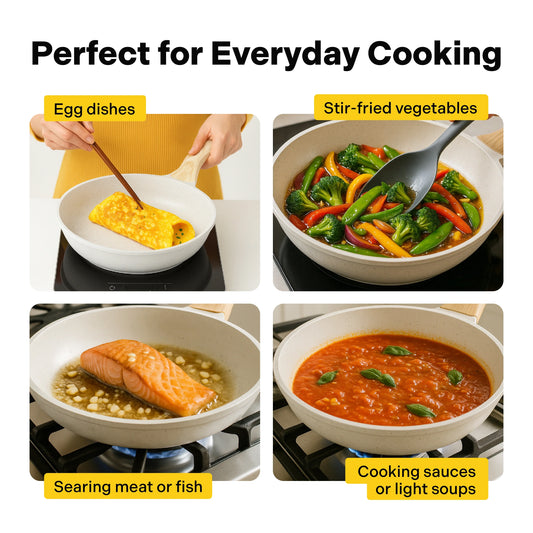
Ceramic cookware is versatile and perfect for everyday cooking. Considering the pros and cons of ceramic cookware, its uses include frying, sautéing, simmering, baking, providing even heat distribution, easy cleanup, and a healthy, convenient cooking option.
- Frying & sautéing: Ceramic cookware is excellent for frying eggs, sautéing vegetables, or cooking delicate fish without sticking or burning.
- Simmering & light cooking: Perfect for preparing sauces, soups, and other recipes that require low- to medium-heat cooking over longer periods.
- Baking: Many ceramic pans are oven-safe, making them suitable for baking casseroles, gratins, and other oven-friendly dishes without warping.
Overall, ceramic cookware combines versatility, health, and convenience. Considering the pros and cons of ceramic cookware, it is excellent for everyday meals, offering even heat, effortless cleanup, and safe, efficient cooking.
Who Should Use Ceramic Cookware?

Ceramic cookware is ideal for those seeking a healthier, non-toxic alternative to traditional nonstick pans. Its natural non-stick surface allows cooking with minimal oil, making it perfect for health-conscious individuals. Additionally, ceramic pans are great for gentle cooking, such as sautéing vegetables, simmering sauces, or preparing delicate proteins like fish.
Ceramic cookware is especially suitable for:
- Health-focused cooks: Ceramic cookware is non-toxic and free from harmful PTFE and PFOA chemicals, allowing safer, healthier everyday cooking.
- Beginner cooks: Its easy-to-clean, non-stick surface reduces cooking frustration, making it ideal for those just starting in the kitchen.
- Low-to-medium heat users: Perfect for slow-cooking, simmering, or gentle sautéing without the risk of overheating and damaging the pan.
- Eco-conscious individuals: Many ceramic cookware options are environmentally friendly, using sustainable materials and biodegradable coatings for responsible, green cooking choices.
Ceramic cookware combines safety, convenience, and versatility for everyday cooking.
Why You Need the ChopChop USA Ceramic Frying Pan

ChopChop USA Ceramic Frying Pan
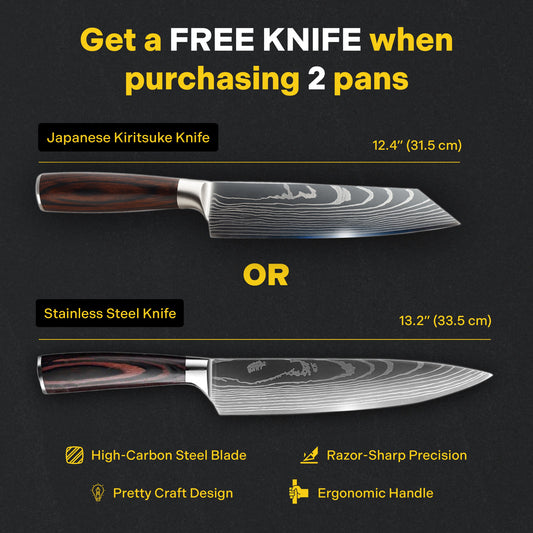
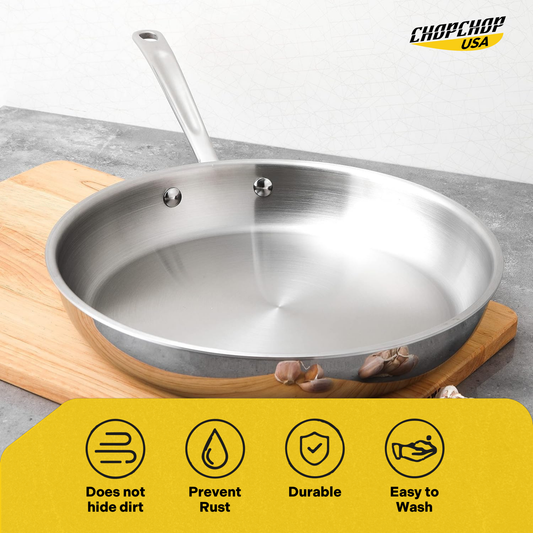
Limited-Time Offer — Get Free GiftsChopChop USA Ceramic Frying Pan designed its ceramic frying pan to address common concerns found in the pros and cons of ceramic cookware, delivering a premium cooking experience.
- Chemical-free cooking: made with a natural, toxin-free ceramic coating to ensure safe and clean meals.
- Even heat distribution: reinforced aluminum base heats quickly and evenly, preventing hot spots for consistent cooking.
- Scratch-resistant surface: durable ceramic resists scratches and maintains a smooth, high-performing finish over time.
- Effortless cleanup: nonstick surface allows food to release easily; just a quick rinse or wipe is enough.
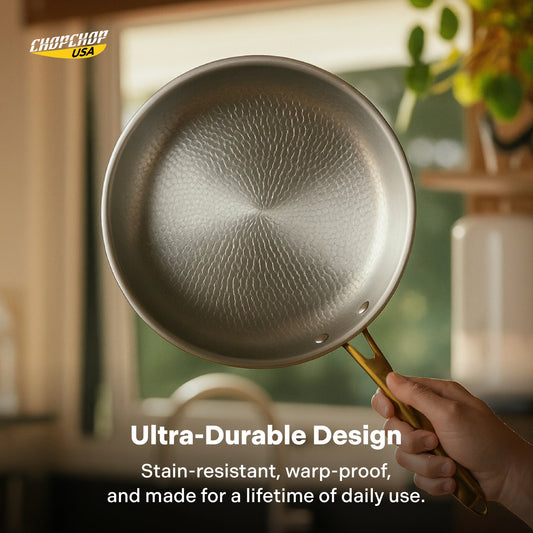
- Built to last: premium ceramic with a sturdy aluminum core ensures long-term durability and daily reliability.
- Lightweight & comfortable: strong yet lightweight design makes handling easy for everyday cooking.
- Oven & cooktop safe: oven-safe up to 550°F and compatible with gas, electric, and induction cooktops.
By minimizing weaknesses commonly discussed in the pros and cons of ceramic cookware, ChopChop USA delivers a reliable, health-focused frying pan for modern kitchens.

Conclusion
Understanding the pros and cons of ceramic cookware helps you make smarter cooking decisions. With thoughtful design, safe materials, and reliable performance, ChopChop USA ceramic frying pan offers a balanced solution for everyday home chefs.
For more amazing recipes, follow me on Facebook and Instagram! If you have any questions about ChopChop USA's products or promotions, please feel free to contact us at support@chopchopusa.com. Our dedicated team is available 24/7 and always happy to assist you.
Frequently Asked Questions
1. Is It Healthy To Cook In A Ceramic Pan?
Yes, ceramic pans are considered healthy because they are free from PFOA and PTFE, making them a safer option when evaluating the pros and cons of ceramic cookware.
2. Is ChopChop USA Ceramic Frying Pan Safe?
The ChopChop USA ceramic frying pan features a toxin-free ceramic coating, aligning with the highest safety standards discussed in the pros and cons of ceramic cookware.
3. Is There A Downside To Ceramic Coating?
Yes, ceramic coatings can wear down over time and are sensitive to high heat, which is a common drawback noted in the pros and cons of ceramic cookware.
4. What Is A Major Disadvantage Of Ceramics?
The primary disadvantage is durability. Compared to other cookware materials, ceramic cookware often has a shorter lifespan, as outlined in the pros and cons of ceramic cookware.
5. Why Choose Ceramic Over Other Cookware Materials?
Many cooks choose ceramic for its chemical-free surface, easy cleanup, and lightweight design, which often outweigh the pros and cons of ceramic cookware for daily use.