Ceramic cookware vs aluminum: Which is better? Ceramic cookware is generally the healthier, safer option, offering non-toxic cooking and reliable everyday performance without metal exposure. In this guide, ChopChop USA will break down materials, safety, performance, and value, helping you clearly understand ceramic cookware vs aluminum and why ceramic cookware is the smarter long-term choice.
Understanding Ceramic Cookware

Ceramic cookware features a smooth ceramic-based coating applied over a metal core, typically aluminum, creating a naturally non-stick, non-reactive cooking surface. In discussions of ceramic cookware vs aluminum, ceramic stands out for minimizing chemical exposure while delivering consistent and enjoyable cooking results.
Unlike traditional non-stick coatings, ceramic cookware uses advanced sol-gel technology derived from natural minerals. This innovation allows ceramic cookware to withstand high temperatures while maintaining food safety, easy cleaning, and excellent heat distribution without releasing harmful fumes during cooking.
Advantages of Ceramic Cookware
- Health-safe cooking: Free from PTFE, PFOA, lead, and cadmium, keeping food uncontaminated and safer for families and long-term wellness
- Naturally non-stick surface: Reduces the need for excess oil and supports healthier, low-fat cooking
- Easy cleanup: Smooth ceramic coating makes washing quick and effortless
- Balanced performance: Provides even cooking results without relying on chemical coatings
- Modern, eco-conscious design: Combines functionality, clean aesthetics, and environmentally friendly appeal for today’s kitchens
Understanding Aluminum Cookware

Aluminum cookware is widely used due to its lightweight nature and ability to heat quickly. In the ceramic cookware vs aluminum debate, aluminum often appeals to budget-conscious consumers who prioritize fast temperature response over long-term safety or durability.
Bare aluminum cookware, however, lacks a protective barrier. When cooking acidic or salty foods, aluminum can react and affect flavor. This limitation makes aluminum cookware less suitable for daily health-focused cooking compared to ceramic-coated alternatives.
Common Issues With Aluminum Cookware
- Reactivity with food: Can react with acidic or high-heat foods and potentially leach into meals if not properly coated
- Health concerns: Less suitable for those seeking cleaner, safer cooking materials
- Prone to warping: Can lose shape over time, especially under high heat
- Scratches easily: Surface damage affects performance and appearance
- Reliance on chemical coatings: Non-stick performance depends on coatings that can degrade
- Shorter lifespan: Increased maintenance and wear make it less sustainable long term
Ceramic vs. Aluminum Cookware: Comparison Guide

A direct comparison of ceramic cookware vs aluminum highlights clear differences in health, usability, and longevity. While aluminum may heat quickly, ceramic cookware provides safer cooking surfaces, easier maintenance, and improved reliability for everyday meals.
By evaluating key performance categories, consumers can see why ceramic cookware consistently outperforms aluminum cookware for modern households seeking safe, efficient, and versatile cookware solutions without compromising cooking quality or peace of mind.
Health and Safety

Health is the most decisive factor when comparing ceramic cookware vs aluminum. Ceramic cookware forms a non-reactive, protective barrier that prevents metals and harmful chemicals from contacting food, supporting cleaner meals and reducing long-term exposure risks during daily cooking routines.
In contrast, aluminum cookware often relies on synthetic coatings to enhance safety. As these coatings wear or scratch, potential risks increase. Ceramic cookware maintains its non-toxic properties even with regular use, making it a more dependable option for health-conscious households.
Cooking Performance

When evaluating ceramic cookware vs aluminum, ceramic cookware delivers superior temperature control. Its even heat distribution minimizes hot spots, allowing food to cook evenly without burning or sticking, which is especially important for delicate ingredients and consistent everyday cooking results.
Although aluminum heats rapidly, it also cools just as quickly, making precise temperature management more difficult. Ceramic cookware retains heat more steadily, providing balanced cooking performance that benefits both beginner cooks and experienced home chefs alike.
Durability and Longevity

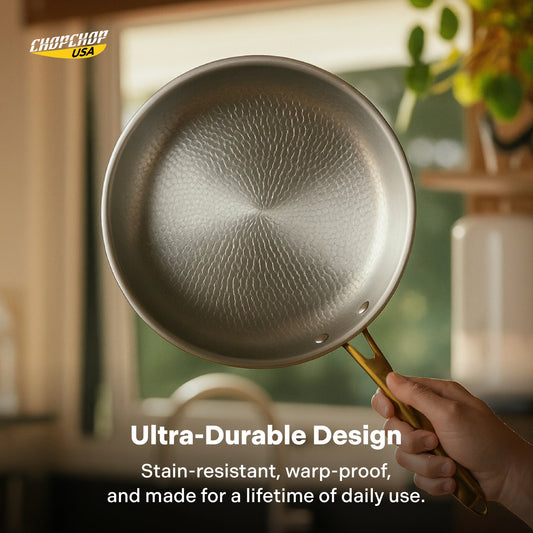
Durability is a key consideration in ceramic cookware vs aluminum comparisons. Ceramic-coated cookware resists corrosion, staining, and surface wear better than bare aluminum, particularly when used with gentle utensils and proper care such as hand washing.
By contrast, aluminum cookware is more prone to denting, warping, and surface damage over time. Ceramic cookware maintains its structure, appearance, and performance longer, making it a smarter long-term investment for reliable everyday cooking.
Maintenance and Care

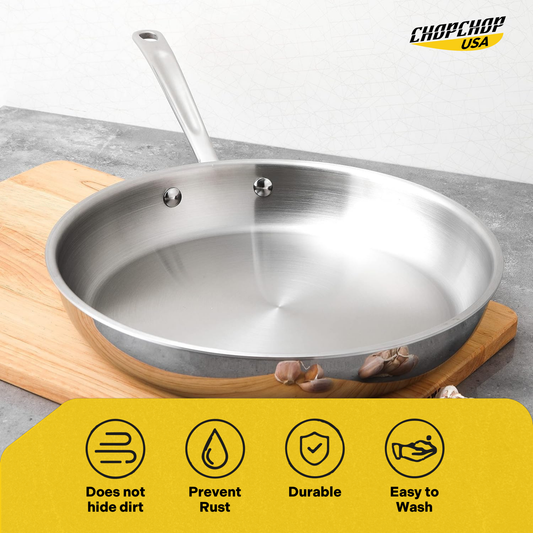
Maintenance is another area where ceramic cookware vs aluminum clearly favors ceramic. Ceramic cookware cleans easily with warm water and mild soap, reducing the need for aggressive scrubbing or harsh chemical cleaners after each cooking session.
Aluminum cookware often requires extra care to prevent oxidation, discoloration, and staining. Ceramic cookware simplifies post-meal cleanup, saving time and effort while maintaining a clean, polished cooking surface with minimal maintenance.
Non-Stick Properties

Non-stick performance is central to the ceramic cookware vs aluminum discussion. Ceramic cookware offers naturally smooth food release without relying on synthetic chemical coatings, allowing healthier cooking with less oil and a more enjoyable overall cooking experience.
Aluminum cookware typically depends on applied non-stick coatings to achieve similar results. Over time, these coatings can degrade, whereas ceramic cookware retains its non-stick qualities longer when properly used and cared for.
Flavor Neutrality

Flavor neutrality is an important factor when comparing ceramic cookware vs aluminum. Ceramic cookware is non-reactive and does not interact with ingredients, helping preserve the natural taste, aroma, and texture of foods, even when cooking acidic or highly seasoned recipes.
Aluminum cookware, by contrast, can react with acidic ingredients such as tomatoes, vinegar, or citrus. This reaction may alter flavors and cause a metallic taste, making ceramic cookware the better choice for clean, true-to-recipe results.
Why Ceramic Cookware Is the Best Choice?

Overall, ceramic cookware vs aluminum comparisons consistently point toward ceramic cookware as the better choice for modern kitchens. Its health benefits, durability, and user-friendly design align with evolving cooking habits and wellness-focused lifestyles.
Ceramic cookware meets the needs of cooks who value safe materials, easy maintenance, and dependable performance without sacrificing versatility or aesthetic appeal in their kitchen setup.
Best for Health-Conscious Cooking
Ceramic cookware is ideal for health-conscious cooking because it eliminates exposure to toxic chemicals and reactive metals. This advantage makes ceramic cookware particularly suitable for families, meal prep routines, and individuals focused on clean eating and long-term wellness.
By reducing oil usage and preventing chemical transfer, ceramic cookware supports balanced nutrition and healthier cooking habits, reinforcing its position as a preferred choice over aluminum cookware.
Easy Maneuverability
Another advantage in ceramic cookware vs aluminum is maneuverability. Ceramic cookware offers lightweight yet sturdy construction, making it easy to lift, flip, and control while cooking, even during longer meal preparations.
This balance of strength and lightness enhances comfort and safety, especially for home cooks who spend significant time in the kitchen preparing daily meals.
Versatility and Performance
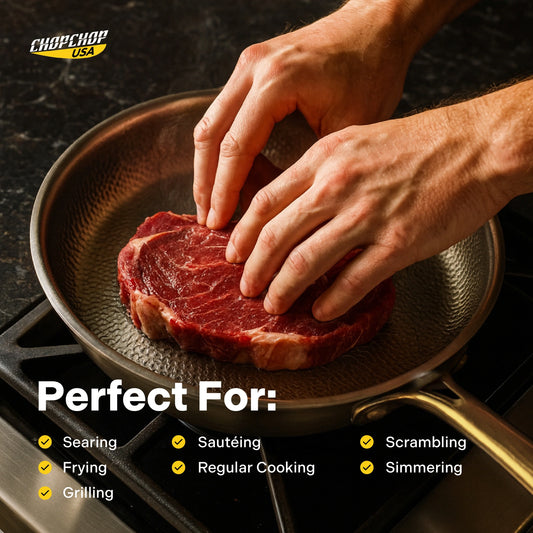
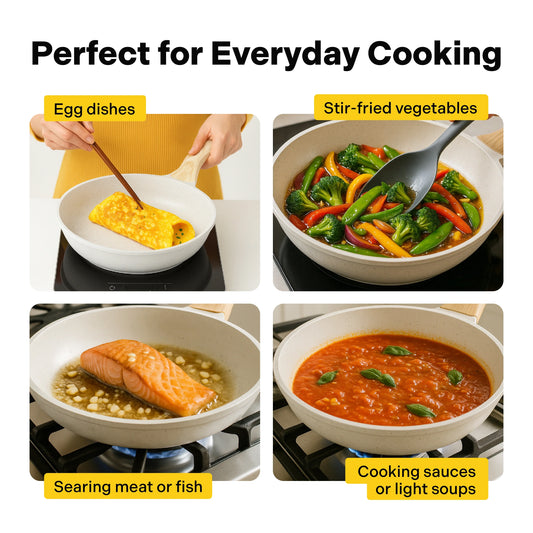
Ceramic cookware delivers excellent versatility across cooking styles. From frying and sautéing to baking and simmering, ceramic cookware adapts easily to various techniques, offering consistent performance on gas, electric, and induction stovetops.
This flexibility strengthens ceramic cookware’s position in the ceramic cookware vs aluminum debate, providing reliable results for diverse recipes and everyday cooking demands.
ChopChop USA Ceramic Frying Pan – Pure & Safe Cooking

ChopChop USA Ceramic Frying Pan
Limited-Time Offer — Get Free Gifts
The ChopChop USA ceramic frying pan is engineered for dependable everyday cooking with a durable ceramic-coated surface and reinforced aluminum core. It features a 100% ceramic, non-toxic coating free from PTFE, PFOA, lead, and cadmium, ensuring clean, safe meals.
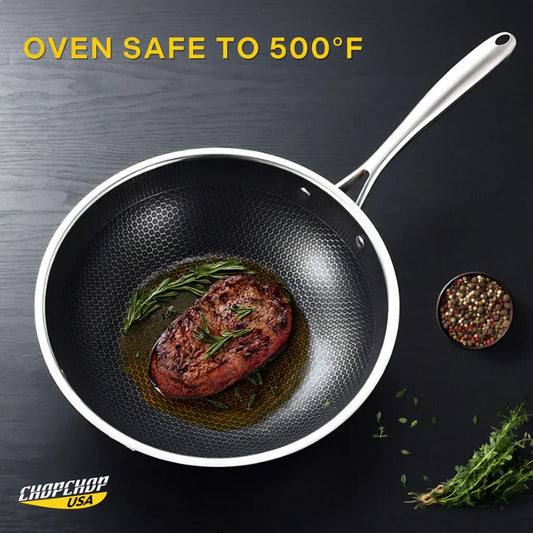
Designed for performance and convenience, the pan distributes heat evenly, resists sticking, and cleans effortlessly. Its lightweight construction supports easy handling, while oven safety up to 550°F expands cooking possibilities across various recipes.

- Weight: Lightweight yet sturdy for everyday use
- Materials: Reinforced aluminum base with ceramic coating, non-toxic and eco-friendly
- Diameter: Ranges from 9.45" (24 cm) to 11.81" (30 cm)
- Oven safe: Up to 550°F
- Induction compatible: Yes, suitable for all stovetops
- Care instructions: Hand-washing recommended
Conclusion
When evaluating ceramic cookware vs aluminum, ceramic cookware stands out for health, durability, and ease of use. ChopChop USA ceramic cookware delivers safe materials, reliable performance, and modern convenience, making it an excellent choice for everyday cooking.
For more amazing recipes, follow me on Facebook and Instagram! If you have any questions about ChopChop USA's products or promotions, please feel free to contact us at support@chopchopusa.com. Our dedicated team is available 24/7 and always happy to assist you.
Frequently Asked Questions
1. Is It Better To Cook With Ceramic Or Aluminum?
Ceramic cookware is better for daily cooking because it offers non-toxic surfaces, even heating, and easier cleaning, making meals safer and more enjoyable compared to aluminum cookware options.
2. What Is The Healthiest Type Of Cookware To Use?
Ceramic cookware is among the healthiest choices due to its chemical-free coating, non-reactive surface, and ability to prevent toxins and metals from leaching into food.
3. Is Ceramic Cookware Safe?
Yes, ceramic cookware is safe when properly manufactured, as it contains no PTFE, PFOA, lead, or cadmium and supports clean, worry-free everyday cooking.
4. Do Professional Chefs Use Ceramic Pans?
Many professional chefs use ceramic pans for delicate foods, low-oil cooking, and health-focused kitchens where temperature control and easy cleanup are essential.
5. How To Choose A Ceramic Frying Pan?
Choose a ceramic frying pan with certified non-toxic coating, even heat distribution, oven safety, induction compatibility, and trusted quality from brands like ChopChop USA.