When to replace ceramic fry pans? This is a common question among home cooks, and the short answer is: replace it when performance, safety, or structure declines, especially if food sticks, surfaces chip, or heating becomes uneven. In this guide, ChopChop USA will explain when to replace ceramic fry pans, how long ceramic pans last, clear warning signs, and practical tips to extend lifespan while cooking safely and efficiently every day.
How Long Do Ceramic Pans Last?

Understanding when to replace ceramic fry pans starts with knowing its typical lifespan. On average, a ceramic frying pan lasts 1.5 to 3 years with regular home use. High-quality ceramic pans may last longer when properly cared for.
Several factors influence longevity, including cooking temperature, utensil choice, cleaning habits, and storage. Frequent high-heat cooking, metal utensils, and abrasive scrubbers accelerate wear. While ceramic coatings are durable and non-toxic, they naturally degrade over time.
Even premium ceramic pans eventually lose their nonstick performance. When food release declines and cleaning becomes difficult, it may be time to evaluate when to replace ceramic fry pans to maintain safe, enjoyable cooking results.
Signs It Is Time to Replace Your Ceramic Fry Pans
Recognizing the signs early helps you decide when to replace ceramic fry pans before it impacts food quality or safety.
Food Sticks to the Surface

When food begins sticking despite proper oil use and controlled heat, the ceramic coating has likely degraded. This loss of release makes cooking frustrating, affects texture, and is often the earliest functional warning many home cooks notice during everyday breakfast or dinner preparation.
Persistent sticking, especially with delicate foods like eggs or fish, signals declining performance and uneven heat transfer. At this stage, evaluating how consistently food releases helps determine when to replace ceramic fry pan before results suffer and cleanup becomes increasingly time-consuming.
As sticking worsens, cooks often compensate by adding excess oil or scrubbing harder after meals. These workarounds reduce the health benefits of ceramic cookware and accelerate wear, making replacement the more practical and efficient solution over time.
There Are Scratches and Chips on the Surface

Visible scratches, chips, or flaking indicate physical damage to the ceramic coating. Although ceramic remains non-toxic, surface damage disrupts smooth cooking, increases sticking, and accelerates wear through repeated heating, utensil contact, and routine cleaning cycles.
Over time, chipped coatings expose underlying materials and compromise heat consistency. These structural flaws are clear signs of when to replace ceramic fry pan, ensuring reliable performance and preventing further deterioration that could affect both cooking efficiency and enjoyment.
Minor surface marks may seem harmless at first, but damage tends to spread with continued use. Replacing the pan early avoids worsening defects and helps maintain predictable cooking results across a wide range of recipes.
The Pan Warps or Distorts

A pan that no longer sits flat on the cooktop creates uneven heat distribution, leading to inconsistent cooking results. Warping often results from overheating, sudden temperature changes, or placing a hot pan directly under cold running water.
Distortion also affects safety, causing wobbling on burners and inefficient energy use. Structural changes like these strongly indicate when to replace ceramic fry pan, as stability and even heating cannot be restored once the metal base has warped.
Cooking on a distorted pan often leads to burned spots, undercooked areas, and wasted ingredients. Replacing the pan improves control, efficiency, and confidence during everyday stovetop cooking tasks.
The Color Fades

Color fading or dull patches on a ceramic pan usually result from prolonged exposure to high heat. While fading alone is not always dangerous, it often signals gradual coating breakdown and reduced nonstick effectiveness over extended use.
When discoloration coincides with sticking or uneven browning, it becomes easier to judge when to replace ceramic fry pan to maintain consistent results and a smoother, more enjoyable cooking experience overall.
A visibly worn surface can also indicate that the coating has thinned unevenly. Replacing the pan restores performance and helps preserve the low-oil, easy-clean benefits ceramic cookware is known for.
The Pan Is Hard to Clean

If food residue clings stubbornly even after soaking and gentle scrubbing, the ceramic surface may have worn down. A healthy ceramic coating should release residue easily without aggressive cleaning methods or repeated soaking after each use.
Needing excessive effort or abrasive tools to clean the pan suggests declining surface integrity. This reduced ease of maintenance often signals that the coating can no longer perform as intended during everyday cooking.
Hard-to-clean pans also encourage harsher cleaning habits, which further degrade the surface. Replacing the pan helps restore convenience, hygiene, and the effortless cleanup ceramic cookware is designed to provide.
The Handles Are Loose

Loose or wobbly handles compromise control and safety during cooking, increasing the risk of spills, tipping, or burns. Handle instability can develop from repeated heating, cooling, and regular wear over long-term use.
Even if the cooking surface appears intact, unstable handles affect overall usability and confidence when moving the pan. This issue often worsens gradually, making timely replacement the safest option for daily cooking.
A secure handle is essential for safe lifting, flipping, and transferring food. When tightening no longer helps, replacing the pan ensures stability, comfort, and peace of mind in the kitchen.
Tips for Prolonging the Life of Ceramic Fry Pans

Proper care can delay when to replace ceramic fry pans and help you get the most value from your cookware.
- Always cook on low to medium heat, as ceramic coatings perform best without extreme temperatures. Avoid preheating empty pans for long periods.
- Use wooden, silicone, or nylon utensils to prevent scratches. Metal tools accelerate surface damage and shorten lifespan.
- Clean pans only after they cool. Sudden temperature changes cause warping and micro-cracks in the ceramic layer.
- Hand-wash with soft sponges and mild detergent. Avoid dishwashers and abrasive scrubbers that erode the coating.
- Store pans carefully, using pan protectors or soft cloths between stacked cookware to minimize surface wear.
These habits help extend usability and postpone when to replace ceramic fry pans.
Is a Ceramic Fry Pan Safe When Scratched?

A scratched ceramic fry pan is generally considered safe because ceramic coatings are non-toxic and free from harmful chemicals such as PTFE and PFOA. Light surface scratches usually affect performance rather than safety, meaning food may stick more often but remains safe to cook.
However, as scratches deepen or develop into chips and flaking, the pan’s ability to cook evenly and release food declines. Damaged surfaces can expose the underlying material, reduce heat consistency, and make cleaning more difficult, leading to a less efficient cooking experience.
While scratched ceramic pans do not pose chemical risks, heavily damaged cookware should be replaced. Severe wear signals the coating has broken down, reducing both performance and convenience. Replacing the pan ensures better cooking results, easier cleanup, and a safer, more enjoyable experience in the kitchen.
ChopChop USA Ceramic Frying Pan for Modern, Healthy Kitchens

ChopChop USA Ceramic Frying Pan
Limited-Time Offer — Get Free GiftsKnowing when to replace ceramic fry pans also means choosing a replacement designed for durability, safety, and performance. The ChopChop USA ceramic frying pan is crafted with durable ceramic construction for long-lasting strength and dependable everyday performance.
Its 100% ceramic, non-toxic coating contains no PTFE, PFOA, lead, or cadmium, ensuring safe and clean cooking. The smooth ceramic surface prevents sticking and makes cleaning effortless, while the pan’s even-heat design distributes heat consistently for perfectly cooked results every time.

Key Benefits:
- Chemical-free cooking: Natural, toxin-free ceramic coating ensures safe meals
- Even heat distribution: Reinforced aluminum base prevents hot spots
- Scratch-resistant surface: Durable ceramic maintains smooth performance
- Effortless cleanup: Food releases easily with minimal washing
- Built to last: Premium ceramic and sturdy aluminum core
- Lightweight & comfortable: Easy handling for everyday use
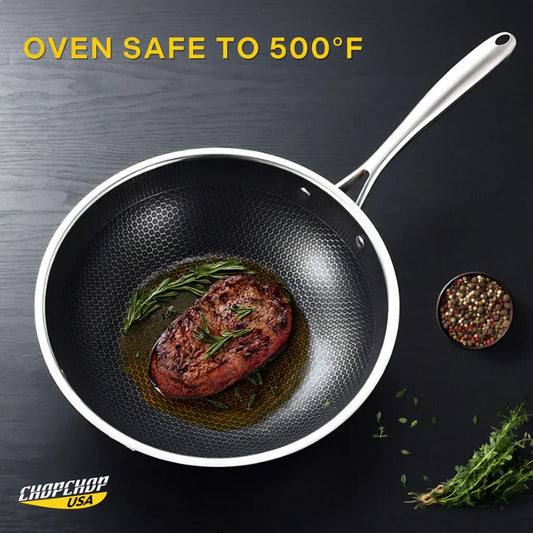
- Oven & cooktop safe: Oven-safe up to 550°F; compatible with gas, electric, and induction cooktops
Choosing high-quality cookware like ChopChop USA helps delay when to replace ceramic fry pans while delivering consistent, healthy cooking.
Conclusion
Understanding when to replace ceramic fry pans ensures safer, better cooking. With proper care and high-quality options like ChopChop USA, you enjoy reliable performance, non-toxic meals, and long-lasting value every day.
For more amazing recipes, follow me on Facebook and Instagram! If you have any questions about ChopChop USA's products or promotions, please feel free to contact us at support@chopchopusa.com. Our dedicated team is available 24/7 and always happy to assist you.
Frequently Asked Questions
1. when to replace ceramic fry pans?
Replace it when food sticks, surfaces chip, warping occurs, or cleaning becomes difficult. These signs indicate reduced performance and signal that the pan is no longer reliable.
2. Are Scratched Ceramic Pans Safe?
Scratched ceramic pans are generally non-toxic, but scratches reduce performance and durability. Deep chips or flaking surfaces indicate the pan is no longer suitable for quality cooking.
3. How Long Do Ceramic Pans Last?
Most ceramic pans last 1.5 to 3 years with regular use. Proper care, moderate heat, and gentle cleaning can significantly extend their usable lifespan.
4. Is ChopChop USA Legit?
Yes, ChopChop USA offers high-quality, non-toxic ceramic cookware designed for durability, safety, and dependable everyday cooking performance.
5. What Are Pros And Cons Of Ceramic Cookware?
Pros include non-toxic surfaces, easy cleanup, and even heating. Cons include a shorter lifespan compared to stainless steel cookware.