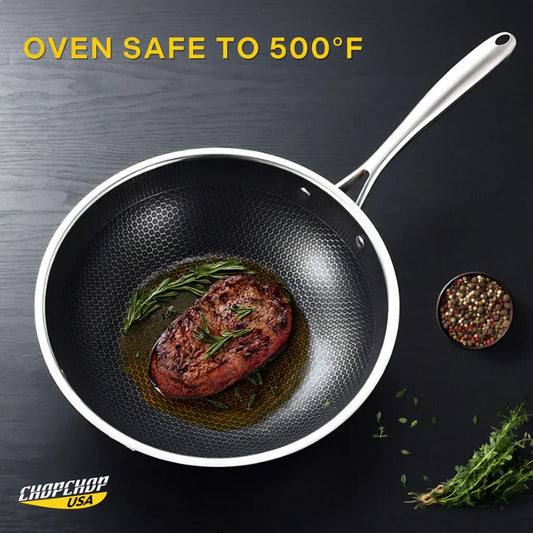
How to use ceramic frying pans correctly to enjoy healthy, non-stick cooking every day? The answer is simple: use moderate heat, gentle utensils, and proper care to protect the ceramic coating. In this guide, ChopChop USA will explain everything you need to know about cooking, caring for, and choosing ceramic cookware so you can maximize performance, durability, and everyday convenience in your kitchen.
What To Know About Cooking With Ceramic Pans

Ceramic frying pans are metal cookware, typically made with an aluminum core, coated with a silica-based ceramic layer that provides a naturally smooth, non-stick cooking surface. This coating is free from synthetic chemicals like PTFE and PFOA, making ceramic pans a popular choice for health-conscious home cooks.
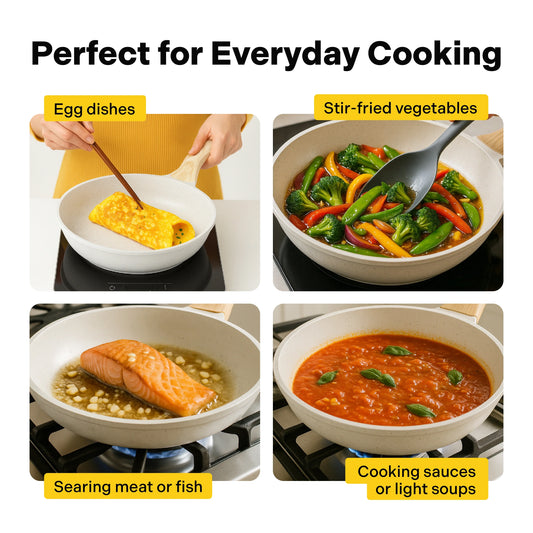
One of the biggest advantages of ceramic frying pans is their ability to cook food with less oil. The naturally slick surface allows ingredients to release easily, supporting lighter, lower-fat meals without sacrificing performance. Ceramic pans also heat quickly and evenly, helping prevent hot spots and uneven cooking.
In addition to healthier cooking, ceramic frying pans are easy to clean and maintain when used correctly. Their non-reactive surface does not absorb odors or flavors, and their modern design offers an attractive alternative to traditional nonstick cookware. With proper care, ceramic frying pans provide reliable performance, convenience, and peace of mind in everyday cooking.
How to Use Ceramic Frying Pans

Mastering how to use ceramic frying pans correctly helps extend their lifespan and ensures consistently great cooking results. Follow these essential best practices.
Keep Heat Low

One of the most important rules in how to use ceramic frying pans is temperature control. Ceramic coatings are designed to perform best on low to medium heat, allowing food to cook evenly without stressing the surface or weakening the non-stick layer over time.
Cooking slowly and evenly not only protects the ceramic coating but also improves flavor and texture. Gentle heat is especially important for delicate foods like eggs, fish, and vegetables, which benefit from consistent temperatures and release more easily from the pan.
Add Oil or Food Before Heating

Never heat a ceramic pan while it is empty. A key principle in how to use ceramic frying pans is adding oil or food before turning on the burner, which helps prevent thermal shock and protects the ceramic coating from premature damage.
Using a small amount of oil also improves food release and promotes even cooking. This simple habit supports the natural non-stick surface and reduces the likelihood of sticking, burning, or uneven browning during everyday cooking.
Choose the Right Utensils

Using the correct utensils is essential when learning how to use ceramic frying pans properly. Wooden, silicone, or nylon tools are gentle on the ceramic surface and help preserve the smooth coating during stirring, flipping, and serving.
Metal utensils may seem convenient, but even light contact can create micro-scratches. Over time, these scratches reduce non-stick performance and make food more likely to stick, shortening the overall lifespan of the pan.
Avoid Cooking Sprays

A common mistake in how to use ceramic frying pans is relying on aerosol cooking sprays. These sprays often contain additives that leave behind a sticky residue, which builds up over time and interferes with the ceramic coating’s natural release properties.
Instead, use natural oils such as olive oil, avocado oil, or butter. These options provide clean cooking, better flavor, and help maintain the ceramic surface without creating residue that is difficult to remove.
Let the Pan Cool Before Cleaning

Thermal shock is a hidden enemy of ceramic cookware. An important step in how to use ceramic frying pans correctly is allowing the pan to cool naturally before washing, especially after cooking at moderate temperatures.
Plunging a hot pan into cold water can cause warping or cracking. These sudden temperature changes may permanently damage the ceramic coating and negatively affect cooking performance and pan stability.
Hand Wash Only

Although some ceramic pans are labeled dishwasher-safe, hand washing is strongly recommended. Gentle cleaning is a core part of how to use ceramic frying pans responsibly and helps preserve the non-stick coating for long-term use.
Use warm water, mild dish soap, and a soft sponge or cloth. Avoid harsh detergents and abrasive scrubbers, which can dull the ceramic surface and reduce its smooth, food-release performance.
Store Your Pans Correctly

Proper storage is often overlooked when discussing how to use ceramic frying pans, yet it plays a major role in maintaining the coating. Stacking pans without protection can lead to scratches and surface wear.
Always place a soft cloth, towel, or pan protector between stacked cookware. Correct storage prevents damage, preserves the ceramic surface, and ensures your frying pans remain effective and attractive for everyday cooking.
What Not to Do With a Ceramic Pan?

Understanding what to avoid is just as important as knowing how to use ceramic frying pans correctly. These mistakes can significantly shorten the life of your cookware.
Crank the Heat
Using high heat on ceramic frying pans can quickly degrade the non-stick coating. Excessive temperatures may cause discoloration, uneven cooking, and permanent loss of food-release performance, shortening the pan’s lifespan and reducing overall cooking efficiency.
Use Abrasive Utensils
Steel wool, metal spatulas, and harsh scrubbers can scratch and damage the ceramic coating. Once the surface is compromised, food sticks more easily, cleanup becomes harder, and the pan’s non-stick performance declines significantly.
Preheat an Empty Pan
Preheating an empty ceramic pan exposes the coating to extreme heat without protection. This mistake can cause thermal damage, reduce non-stick effectiveness, and contradict the basic safety principles of how to use ceramic frying pans correctly.
How To Pick the Best Ceramic Cookware

Choosing the right cookware makes a big difference in how successfully you apply how to use ceramic frying pans in everyday cooking.
Look for Non-Toxic Credentials
Always choose ceramic cookware that is free from PTFE, PFOA, lead, and cadmium. Non-toxic certification ensures safer meals and peace of mind for your household.
Pay Attention to Build Quality
A great ceramic pan starts with a great base. Aluminum cores provide fast, even heating, which reduces the need for high temperatures.
When paired with a naturally slick ceramic coating, this design supports effortless food release and perfectly aligns with best practices for how to use ceramic frying pans.
Why Choose ChopChop USA Ceramic Frying Pans?

ChopChop USA Ceramic Frying Pan
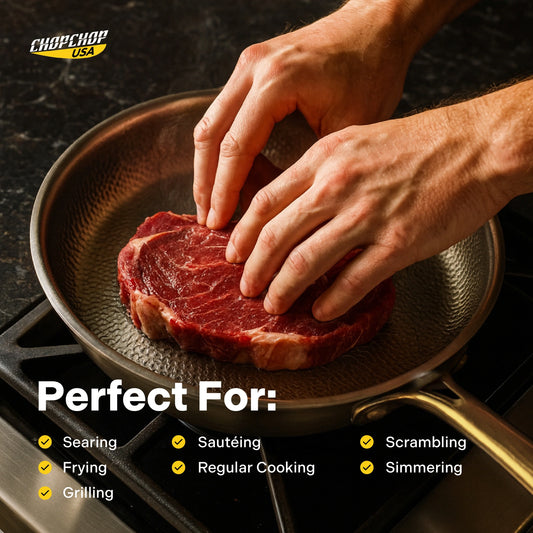
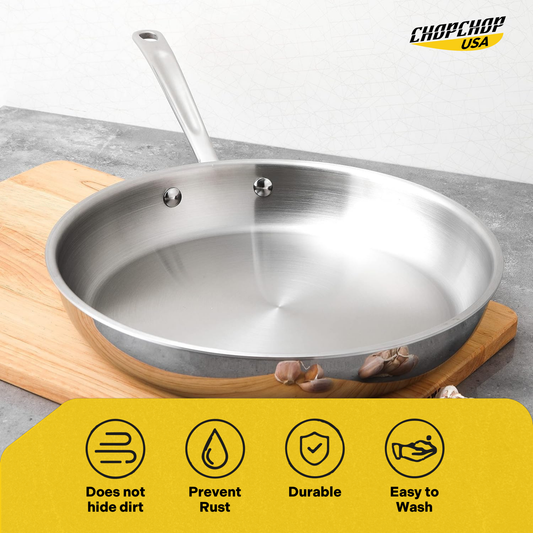
Limited-Time Offer — Get Free GiftsChopChop USA Ceramic Frying Pan is designed to help home cooks master how to use ceramic frying pans with ease, safety, and confidence.
- Chemical-free cooking: Made with a natural, toxin-free ceramic coating for healthier meals.
- Even heat distribution: Reinforced aluminum base ensures consistent cooking without hot spots.
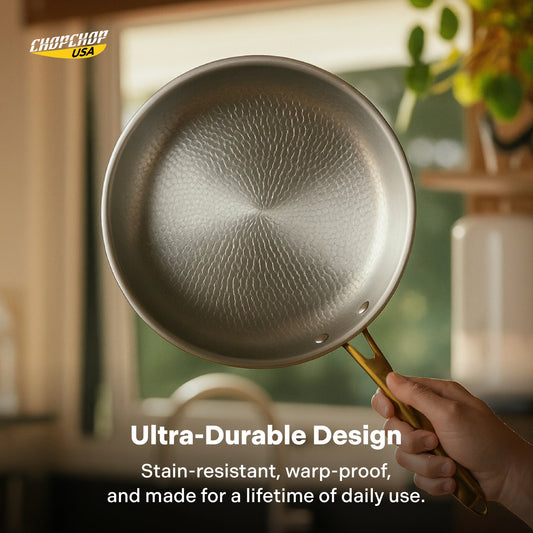
- Scratch-resistant surface: Durable ceramic maintains smooth performance over time.
- Effortless cleanup: Food releases easily, reducing cleaning time.
- Built to last: Premium materials ensure daily reliability.
- Lightweight & comfortable: Easy handling without sacrificing durability.
- Oven & cooktop safe: Oven-safe up to 550°F and compatible with gas, electric, and induction cooktops.
By choosing ChopChop USA, you simplify how to use ceramic frying pans while upgrading your cooking experience.

How to Clean a Ceramic Frying Pan?

Cleaning a ceramic frying pan correctly protects the non-stick coating and keeps food releasing smoothly. Proper cleaning prevents residue buildup, staining, and premature wear while maintaining the pan’s appearance and performance.
Follow these cleaning best practices:
- Let the pan cool completely before washing to avoid warping or cracking from sudden temperature changes.
- Wash with warm water and mild dish soap using a soft sponge or cloth to protect the ceramic surface.
- Avoid abrasive tools such as steel wool, scouring pads, or harsh cleaners that can scratch the coating.
- Soak for stubborn residue by filling the pan with warm soapy water and letting it sit for 10–15 minutes.
- Use baking soda gently if needed—mix with water into a paste, rub softly, rinse, and dry thoroughly.
Dry the pan immediately after washing to prevent water spots and maintain a smooth, clean finish for daily cooking.
Conclusion
Knowing how to use ceramic frying pans correctly makes everyday cooking healthier and easier. With proper care and quality cookware like ChopChop USA, you’ll enjoy long-lasting performance and effortless meals.
For more amazing recipes, follow me on Facebook and Instagram! If you have any questions about ChopChop USA's products or promotions, please feel free to contact us at support@chopchopusa.com. Our dedicated team is available 24/7 and always happy to assist you.
Frequently Asked Questions
1. How To Use Ceramic Frying Pans
Cook on low to medium heat, add oil before heating, avoid metal utensils, and clean gently after use.
2. How Do You Keep Food From Sticking To Ceramic Pans?
Use moderate heat, add a small amount of oil, and avoid cooking sprays. These habits are essential for effective ceramic pan cooking.
3. What Not To Do With A Ceramic Pan?
Avoid overheating, abrasive tools, and preheating empty pans. These mistakes damage the ceramic coating quickly.
4. Do You Need To Preheat Ceramic Pans?
No. Always add oil or food before heating. Preheating empty pans reduces the lifespan of ceramic cookware.
5. Is Ceramic Frying Pan Easy To Clean?
Yes! The smooth ceramic surface ensures food slides right off. Simply rinse with warm water and mild soap—no scrubbing needed.