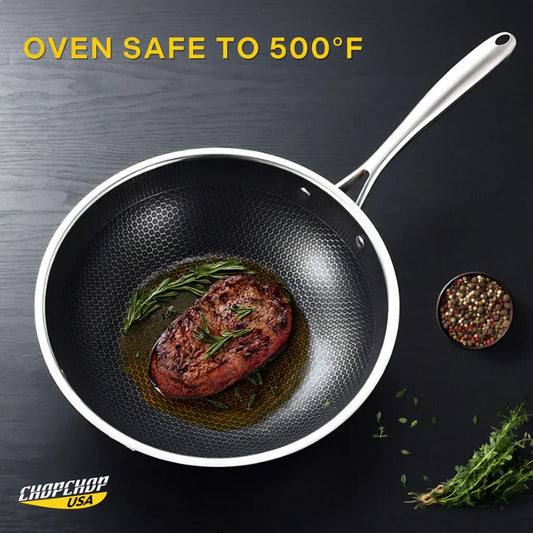
What Is Ceramic Fry Pans?

Ceramic fry pans use a sand-derived, mineral-based coating over aluminum or stainless-steel cores, creating a PTFE-free nonstick surface ideal for low-oil cooking and safe food preparation. Many buyers asking are ceramic fry pans better than teflon appreciate ceramic’s natural, chemical-free design.
These pans heat evenly, resist scratching, and clean effortlessly, making them reliable for everyday kitchens. Their toxin-free construction appeals to health-focused cooks seeking fluorine-free cookware. With proper care and hand washing, ceramic pans stay durable—strengthening the belief that are ceramic fry pans better than teflon for long-term safety.
Pros and Cons of Ceramic Fry Pans

Pros of Ceramic Fry Pans
- 100% PTFE-, PFOA-free: No fluorinated chemicals for safer cooking.
- Naturally nonstick: Smooth food release with minimal oil.
- Even heating: Prevents burning and supports consistent results.
- Scratch-resistant: Durable surface maintains appearance.
- Lightweight: Easy to lift and handle daily.
- Easy cleanup: Quick rinse or wipe is enough.
- Health-friendly: Supports low-fat, low-oil cooking.
Cons of Ceramic Fry Pans
-
Hand wash recommended: Dishwasher use may shorten coating lifespan.
What Is Teflon Fry Pans?

Teflon fry pans use a PTFE (polytetrafluoroethylene) coating that delivers an ultra-smooth nonstick surface, allowing food to slide easily with very little oil. This makes them especially effective for delicate dishes like eggs, crepes, and fish.
These pans are popular for their affordability and beginner-friendly performance. However, PTFE can degrade under high heat, leading many home cooks to revisit the comparison: are ceramic fry pans better than teflon when considering long-term safety and temperature limits.
Pros and Cons of Teflon Fry Pans

Pros of Teflon Fry Pans
- Ultra-smooth nonstick: Exceptional glide for delicate foods.
- Great for eggs: Ideal for low-heat cooking.
- Lightweight and affordable: Budget-friendly and easy to handle.
- Beginner-friendly: Simple to use with reliable nonstick performance.
- Low-oil cooking: Supports healthier meal prep with minimal grease.
Cons of Teflon Fry Pans
- Hand wash recommended: Helps preserve the PTFE coating.
- Heat-sensitive: PTFE degrades at very high temperatures.
- Scratch-prone: Metal utensils can damage the coating.
- Not ideal for searing: High heat may shorten lifespan.
- Requires gentle care: Soft utensils and sponges needed.
Ceramic vs. Teflon: In-Depth Comparison

Choosing between ceramic and teflon depends on safety, heat resistance, durability, and cooking style. This section explores key differences to help you decide whether are ceramic fry pans better than teflon for long-term performance and everyday use.
Chemical Makeup
- Ceramic: Mineral-based coatings contain no PTFE or PFOA, offering chemical-free cooking—one reason many ask are ceramic fry pans better than teflon for everyday safety.
- Teflon: Synthetic PTFE polymer creates exceptional glide, though it can degrade under excessive heat, requiring more careful temperature control during everyday cooking tasks.
Temperature
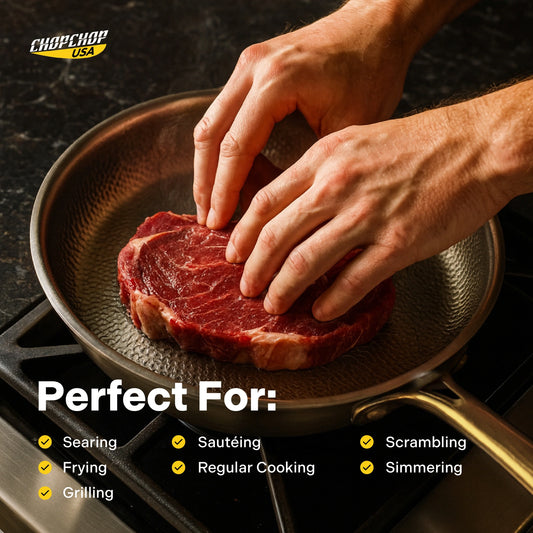
- Ceramic: High heat resistance supports searing, browning, and stir-frying, giving versatility for cooks who frequently use hotter stovetop temperatures.
- Teflon: Performs best on low to medium heat and breaks down above 500°F, reducing lifespan and limiting high-temperature cooking options.
Scratching
- Ceramic: More scratch-resistant than PTFE, allowing safer use with silicone or wooden utensils while maintaining long-term durability.
- Teflon: Scratches easily with metal utensils, reducing coating performance and shortening usability if proper care and utensil choices are not followed.
Safety
- Ceramic: Free from fluorinated chemicals, reinforcing why many conclude are ceramic fry pans better than teflon when prioritizing safe daily cooking.
- Teflon: Safe at standard temperatures but releases fumes when overheated, requiring careful heat control to avoid potential safety concerns during cooking.
Durability
- Ceramic: Resists scratching well but may gradually lose its nonstick slickness over several years depending on cooking habits and care methods.
- Teflon: Long-lasting with gentle handling, though scratches and high heat exposure can quickly reduce coating integrity and shorten overall lifespan.
Heat Distribution
- Ceramic: Provides even, stable heating thanks to mineral layering, helping maintain consistent temperature control across the cooking surface.
- Teflon: Offers even heating but is more sensitive to overheating, which can affect performance and reliable temperature stability.
Care
- Ceramic: Requires gentle cleaning, soft utensils, and hand washing to keep the ceramic coating performing smoothly for long-term use.
- Teflon: Needs soft sponges, low heat, and careful handling; hand washing is recommended to preserve PTFE coating durability.
Who Should Choose Ceramic vs. Teflon Fry Pans

Choosing between ceramic and teflon depends on your cooking habits, heat preferences, and safety priorities. Many cooks ask, are ceramic fry pans better than teflon, and the answer varies based on durability, temperature tolerance, and long-term nonstick performance.
Choose Ceramic Fry Pans If:
- You prioritize a chemical-free, PTFE- and PFOA-free nonstick option
- You cook at moderate heat for safety and longevity
- You want a naturally slick surface for low-oil meals
- You prefer easier maintenance and scratch-resistant durability
Choose Teflon Fry Pans If:
- You cook at low to medium heat most of the time
- You want the smoothest, easiest food release for delicate foods like eggs
- You prefer lightweight, highly affordable nonstick cookware
- You’re comfortable replacing pans more frequently
Replacement Signs - When to Replace Ceramic and Teflon Frying Pans

Knowing when to replace ceramic and teflon fry pans helps maintain cooking safety and performance. These replacement signs indicate your nonstick cookware is no longer functioning properly and may affect food quality, longevity, and everyday usability.
When to Replace Ceramic Fry Pans
- Nonstick surface becomes sticky or patchy
- Deep scratches on the coating
- Warping or uneven heating
- Discoloration from overheating
- Food sticking even with oil
When to Replace Teflon Fry Pans
- Coating peels, flakes, or bubbles
- Visible scratches exposing the base layer
- Persistent sticking even on low heat
- Overheating damage or discoloration
- Degraded nonstick performance despite proper care
Are Ceramic Fry Pans Better Than Teflon?

So, are ceramic fry pans better than teflon? For many modern kitchens, ceramic fry pans are considered the better overall choice, especially for cooks who prioritize safety, high-heat performance, and long-term peace of mind.
Ceramic contains no PTFE, no PFOA, and no fluorinated chemicals, making it a reassuring option for families and health-conscious home cooks. It also tolerates higher temperatures without releasing fumes, resists scratching better, and performs reliably for everyday searing, stir-frying, and low-oil cooking.
Teflon still offers excellent glide, but it performs best only at low to medium heat and requires careful handling to avoid scratching or overheating.
Overall, if you want safer materials, better durability against scratches, and versatility for hot cooking, ceramic fry pans stand out—making them a smarter, more future-proof upgrade for your kitchen.
ChopChop USA Ceramic Frying Pan for Healthy Cooking

ChopChop USA Ceramic Frying Pan
Limited-Time Offer — Get Free GiftsIf you want cleaner, faster, safer cooking, the ChopChop USA Ceramic Frying Pan is the upgrade your kitchen needs. Its 100% pure ceramic, toxin-free coating ensures confident cooking with zero PTFE, PFOA, lead, or cadmium—just healthy meals every day.
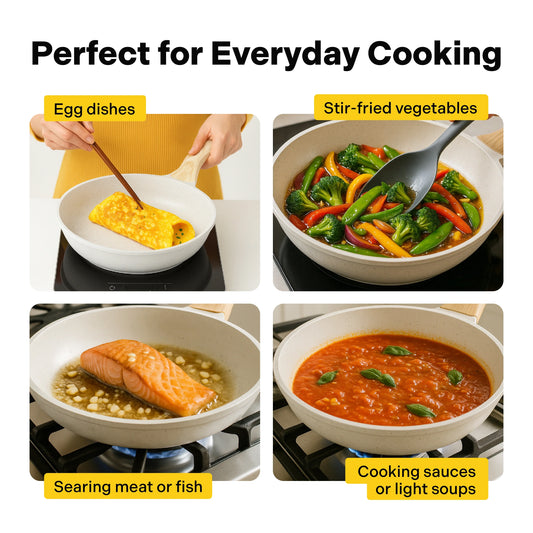
Its ultra-smooth ceramic surface lets food glide effortlessly, while the even-heat aluminum base delivers perfect browning and consistent results. Cleanup is unbelievably simple—wipe, rinse, done. It’s the kind of pan that makes you wish you upgraded sooner.

Available Sizes
- 9.45" (24 cm) – Compact, smooth, perfect for quick low-oil meals.
- 11.02" (28 cm) – Versatile everyday size for stir-fries, searing, and one-pan dishes.
- 11.81" (30 cm) – Spacious family pan with even heating and great browning.
Why You’ll Love the ChopChop USA Pan
- 100% chemical-free ceramic for truly safe cooking
- Superior even-heat distribution for perfect results
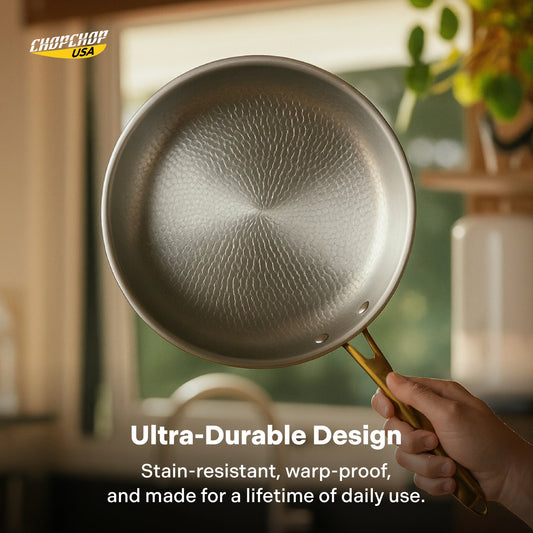
- Scratch-resistant design for long-term durability
- Effortless cleanup—no scrubbing, no sticking
- Lightweight, comfortable, and made for everyday use
- Oven & Cooktop Safe – Oven-safe up to 550°F and compatible with gas, electric, and induction cooktops.
One cook, and you’ll feel the difference. One week, and you’ll never go back.
Conclusion
Ceramic and teflon each offer strengths, but ceramic delivers safer, hotter, and more reliable everyday cooking. For trusted performance, the ChopChop USA Ceramic Frying Pan remains a top choice—answering the question are ceramic fry pans better than teflon with confidence.
For more amazing recipes, follow me on Facebook and Instagram! If you have any questions about ChopChop USA's products or promotions, please feel free to contact us at support@chopchopusa.com. Our dedicated team is available 24/7 and always happy to assist you.
Frequently Asked Questions
1. Is Nonstick Ceramic Fry Pan Safe To Use?
Ceramic fry pans are safe because they contain no PTFE, PFOA, or toxic chemicals. They withstand higher heat, offer clean cooking, and remain a preferred choice when comparing are ceramic fry pans better than teflon.
2. How Long Does A Ceramic Fry Pan Last?
A ceramic fry pan typically lasts two to five years with proper care. Avoiding metal utensils, extreme heat, and harsh scrubbing helps extend its lifespan and maintain performance.
3. Does Teflon Release Harmful Fumes?
Teflon remains safe at low to medium heat, but overheating above 500°F may release fumes. This contributes to ongoing comparisons like are ceramic fry pans better than teflon for everyday kitchens.
4. Which Pan Is Better For High Heat Cooking?
Ceramic pans handle high heat better than Teflon. If you cook stir-fries, sear meat, or frequently use high temperatures, ceramic is often the superior choice for durability and safety.
5. Should I Replace A Scratched Fry Pan?
Yes. Deep scratches reduce nonstick performance and may expose the base material. Replacing a damaged pan—ceramic or Teflon—ensures safety, better cooking results, and long-term reliability.